7 Best Benefits of Traditional Herbal Plasters?

Time:2026-09-21 Author:Sophia
0%

Traditional herbal plasters have supported everyday care in many cultures for generations. Made with plant extracts, natural fibers, and warming ingredients, they are applied directly to the skin. Their scent may recall camphor, ginger, or dried medicinal leaves. The experience feels practical and personal.

But what are the benefits of traditional herbal plasters in modern use? Some people report temporary comfort for tired muscles, mild stiffness, minor aches, or cold-related discomfort. Gentle warmth may help users relax and move more easily. Certain ingredients may also create a soothing sensation on the skin. These effects can differ widely, depending on the formulation, concentration, application time, and individual sensitivity. Traditional use is valuable experience, not automatic proof.

This guide examines seven commonly discussed benefits through a careful, evidence-aware lens. It considers how herbal plasters may support comfort, relaxation, mobility, and convenient self-care. It also recognizes their limits. They should not replace medical diagnosis or treatment for severe, persistent, or unexplained symptoms. A small skin test can help identify irritation before wider use. Stop using the plaster if burning, swelling, rash, or breathing problems occur. People who are pregnant, taking medication, or managing chronic conditions should seek professional advice. Some traditional products lack complete ingredient labeling, which deserves honest attention. The most useful benefit may be simple: localized comfort without swallowing medicine. Yet personal experience remains only one part of reliable health guidance.
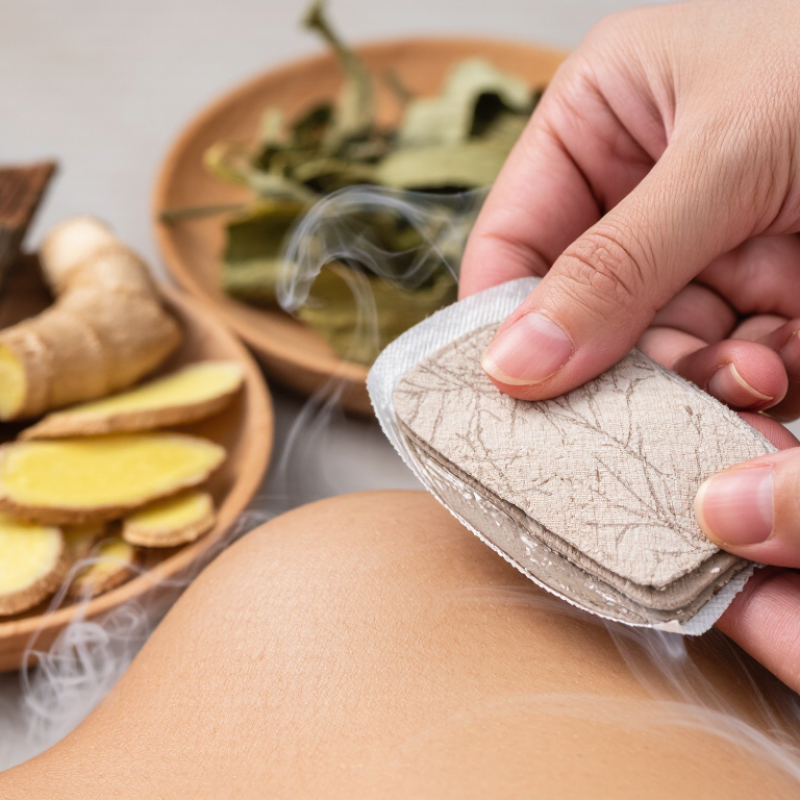
7 Best Benefits of Traditional Herbal Plasters?

What Are Traditional Herbal Plasters and How Do They Work?

Traditional herbal plasters are adhesive patches made with herbs, oils, resins, or other plant-based ingredients. They are placed over intact skin, often near a sore muscle or stiff joint. The plaster holds its ingredients against the skin for several hours. It may also create gentle warmth or cooling.

The effect is usually local. Heat can relax tense muscles and increase comfort. Cooling ingredients may reduce the feeling of soreness or heaviness. Some herbal compounds may pass through the outer skin layer, although absorption varies greatly. The adhesive pressure and steady contact can also remind users to rest an irritated area. Small comfort matters.

The evidence is uneven. Traditional use can offer useful experience, but it does not prove that every ingredient treats a medical condition. A pleasant warming sensation is not the same as healing. That distinction matters. Check the ingredient list, especially if you have sensitive skin or allergies. Apply the plaster only to clean, unbroken skin, and remove it if burning, swelling, or persistent redness develops. Do not cover it with extra heat unless a healthcare professional advises you. People who are pregnant, taking regular medicines, or managing chronic pain should seek qualified medical guidance. Even simple products deserve careful use.

How Traditional Herbal Plasters May Relieve Local Pain

Traditional herbal plasters may offer seven practical benefits: localized warmth, temporary pain relief, easy application, portability, reduced mess, longer contact time, and support for gentle movement. Their main appeal is local action. A plaster sits over a sore shoulder, knee, or lower back, rather than affecting the whole body. Ingredients may include menthol, camphor, capsaicin, or plant extracts. However, formulas differ widely, so one plaster cannot represent all traditional products.

The World Health Organization reports that musculoskeletal conditions affect about 1.71 billion people worldwide. This helps explain the demand for simple, non-invasive pain options. Some clinical research supports topical ingredients for short-term relief, especially capsaicin-based preparations. Evidence for multi-herb plasters remains less consistent. A 2023 systematic review in pain research noted varied study quality and limited long-term evidence. Relief may feel noticeable, but it does not prove tissue healing. I have found that comfort often improves when gentle movement accompanies local treatment. Still, that experience is not a substitute for controlled research.

Tips: Apply the plaster only to clean, unbroken skin. Follow the stated wear time. Remove it if burning, swelling, or rash appears. Avoid combining it with heating pads. People with sensitive skin should test a small area first. Persistent pain, numbness, or weakness needs professional assessment. The honest limitation is simple: traditional use can guide interest, but stronger product-specific trials are still needed.

Ways Herbal Plasters Can Support Muscle and Joint Comfort

7 Best Benefits of Traditional Herbal Plasters

Traditional herbal plasters may support muscle and joint comfort through gentle warmth, mild pressure, and aromatic plant extracts. Applied over a sore shoulder, knee, or lower back, they can create a soothing sensation during rest.

Some people find the warmth helpful after gardening, walking, or prolonged desk work. The benefit is often comfort, not a cure.

A plaster can also encourage slower movement and short recovery breaks. That matters when stiffness makes ordinary tasks feel difficult.

Choose a product with clear ingredients and usage instructions. Apply it only to clean, intact skin, and remove it if burning, swelling, or itching develops. A small skin test is sensible, especially for sensitive users.

The effect may be subtle. That is normal.

Evidence for herbal ingredients varies, and traditional use does not prove every claim. I would avoid treating persistent swelling, injury, numbness, or severe pain with a plaster alone.

A healthcare professional can assess symptoms that continue or worsen. Keep the plaster away from broken skin and use extra caution during pregnancy or with known allergies. Comfort can improve, but expectations should stay realistic.

Potential Benefits for Circulation, Stiffness, and Mobility

7 Best Benefits of Traditional Herbal Plasters?

Traditional herbal plasters may offer seven practical benefits: gentle warmth, temporary comfort, easier movement, reduced stiffness, local support, relaxation, and improved self-care consistency. These effects can feel useful around a stiff knee, sore shoulder, or tight lower back. A warm patch may make morning movement feel less abrupt. Small changes matter.

The circulation claim needs careful wording. Warmth can increase the skin’s sensation of blood flow, but it does not prove improved deep circulation. Traditional plasters should not replace medical care for numbness, swelling, cold limbs, or persistent pain. The World Health Organization reports that musculoskeletal conditions affect about 1.71 billion people worldwide, making safe mobility support highly relevant (WHO, Musculoskeletal Health, 2022). Gentle walking and stretching may work better when discomfort is reduced.

Evidence remains mixed. A Cochrane review found that topical treatments can provide short-term relief for some localized pain, but herbal formulas vary widely in ingredients and quality (Cochrane, Topical NSAIDs for Chronic Musculoskeletal Pain in Adults, 2016). That limitation matters. Skin warmth may improve comfort, yet the plaster itself may not change the underlying condition. Use it only on intact skin, follow the stated duration, and stop if burning or rash appears. People taking medication, or those with circulation disorders, should seek professional advice before use.

7 Best Potential Benefits of Traditional Herbal Plasters

Traditional herbal plasters may provide localized warmth and temporary comfort for muscle soreness and stiffness. Evidence confidence varies because formulations, ingredients, and study quality differ. The chart uses a qualitative scale: 1 = limited evidence, 2 = mixed or emerging evidence, and 3 = relatively better-supported effects of topical warmth or selected ingredients. These ratings are not clinical effect sizes.

Herbal plasters should not be applied to broken or irritated skin. Stop use if burning, rash, or swelling occurs.

Safety Considerations When Using Traditional Herbal Plasters

Traditional herbal plasters may offer warmth, mild support, and temporary relief for muscle soreness. However, their benefits depend on ingredients, concentration, and correct application. The World Health Organization reported that 170 of 194 member states use traditional medicine, showing its broad acceptance, not proof that every plaster works safely (WHO Global Report on Traditional and Complementary Medicine, 2019). Evidence remains uneven. That matters.

Safety begins with the skin. Read the full ingredient list before use. Some plasters contain menthol, camphor, essential oils, or salicylate compounds. These substances may trigger redness, itching, blistering, or burns, especially under tight clothing or external heat. The National Center for Complementary and Integrative Health advises caution because “natural” products can still cause allergic reactions and interact with medicines. Apply one small piece to intact skin first. Wait several hours. Remove it immediately if burning develops. Never place it on cuts, infected skin, the face, or near the eyes. Children, older adults, pregnant people, and users of blood-thinning medicine should seek professional advice. I would not ignore persistent pain simply because a plaster feels soothing. A 2023 review in Contact Dermatitis identified topical herbal products as recognized causes of allergic contact dermatitis, although reported rates vary widely between studies. Keep the package, record application time, and avoid combining multiple topical pain products.

7 Best Benefits of Traditional Herbal Plasters? - Safety Considerations When Using Traditional Herbal Plasters

No. Potential Benefit How It May Help Evidence and Limitations Important Safety Considerations
1 Temporary relief of localized muscle aches Some plasters create warming or cooling sensations that may temporarily distract from discomfort and make sore muscles feel more relaxed. Topical counterirritants and heat or cold can provide short-term symptomatic relief, but the effect varies by formulation and person. Do not apply to broken, infected, sunburned, or irritated skin. Stop use if burning, rash, swelling, or severe redness develops.
2 Support for joint discomfort and stiffness A plaster may provide localized comfort around commonly affected areas such as the knee, shoulder, lower back, or wrist. Any benefit is generally supportive and temporary; a plaster does not treat the underlying cause of arthritis, injury, or inflammatory disease. Seek medical advice for persistent swelling, joint deformity, fever, unexplained pain, or symptoms following a significant injury.
3 Localized warming or cooling comfort Ingredients such as menthol, camphor, or capsicum may produce cooling or warming sensations that alter the perception of minor aches. These sensations are not proof that the tissue is healing, and the strength of the effect depends on the ingredients and concentration. Avoid combining with heating pads, hot-water bottles, tight bandages, or vigorous exercise because excessive heat may increase skin injury.
4 Convenient, non-oral application A plaster can deliver ingredients to a specific area without swallowing a tablet, which may be useful for people who have difficulty taking oral medicines. Topical use may reduce some gastrointestinal exposure, but ingredients can still be absorbed through the skin and may cause local or systemic effects. Read the full ingredient list and directions. Do not assume “natural” means risk-free or that topical products cannot interact with medicines.
5 Temporary support after minor overuse For mild soreness after everyday activity, a plaster may complement rest, gentle movement, and other basic self-care measures. It should not replace assessment of a fracture, ligament tear, serious sprain, or other significant injury. Obtain medical care for severe pain, inability to bear weight, marked bruising, numbness, deformity, or symptoms that do not improve.
6 Potential reduction in reliance on oral pain relievers Some people may use a topical product as one part of a broader pain-management plan, potentially reducing the need for occasional oral medication. This is not guaranteed, and evidence differs widely among herbal formulations. A plaster should not be used to self-treat undiagnosed or worsening pain. People taking anticoagulants, sedatives, diabetes medicines, or multiple medicines should consult a healthcare professional before using products with active herbal ingredients.
7 Self-care support and relaxation The warmth, aroma, and routine of applying a plaster may help some users feel more comfortable during rest. Relaxation and perceived comfort are subjective and should not be interpreted as evidence that the plaster cures a medical condition. Avoid use if sensitive to adhesives, fragrances, latex, or any listed herb. Patch-test on a small area when appropriate and follow the stated wear time.
General safety guidance: Use only on intact skin, wash hands after application, keep away from the eyes and mouth, and never use on children unless a qualified healthcare professional recommends it. Pregnant or breastfeeding individuals, older adults, people with allergies or sensitive skin, and those with chronic medical conditions should seek professional advice before use. Discontinue the plaster and obtain medical help for breathing difficulty, facial swelling, widespread hives, blistering, or severe skin irritation.

Note: Traditional herbal plasters differ considerably in ingredients, concentration, manufacturing quality, and clinical evidence. Reported benefits are generally for temporary symptom relief rather than treatment of an underlying disease.

FAQS

What are traditional herbal plasters?

They are adhesive patches containing herbs, oils, resins, or other plant-based ingredients. They sit on clean, unbroken skin near sore muscles or stiff joints.

How might herbal plasters provide comfort?

They may create gentle warmth, cooling, mild pressure, or a pleasant herbal scent. Warmth can help tense muscles feel more relaxed. The effect is usually local.

What everyday discomforts might they support?

Some people use them for shoulder stiffness, knee discomfort, or lower-back soreness. They may feel helpful after gardening, walking, or long hours at a desk. Relief can be subtle.

Can an herbal plaster heal an injury?

Not necessarily. Comfort does not prove healing. I might mistake warmth for improvement, so persistent pain still deserves proper assessment.

How should I apply a plaster safely?

Apply it to clean, dry, intact skin. Follow the package instructions and record when you applied it. Do not place it on cuts, infected skin, the face, or near the eyes.

Should I test the plaster before regular use?

Yes. Place a small piece on one area first and wait several hours. Remove it if itching, swelling, burning, blistering, or lasting redness appears. Skin reactions can happen.

Can extra heat be used with an herbal plaster?

Avoid heating pads, hot water bottles, or tight coverings over the plaster. Extra heat may increase irritation or burning. That risk is easy to underestimate.

Who should seek medical advice before using one?

Pregnant people, children, older adults, and people with allergies should ask a qualified professional. Advice is also important when taking regular medicines or managing chronic pain. Safety comes first.

Conclusion

Traditional herbal plasters are topical preparations made with plant-based ingredients and applied to the skin over areas of discomfort. What are the benefits of traditional herbal plasters? They may provide soothing warmth or cooling sensations, help ease minor localized aches, and support comfort in tired muscles and stiff joints. By acting at the application site, they can be a convenient option for people seeking non-invasive, temporary relief during daily activities.

Some users also find herbal plasters helpful for promoting a feeling of improved circulation, flexibility, and mobility, especially when stiffness follows exercise or prolonged inactivity. However, their effects may vary depending on the ingredients, the individual, and the cause of discomfort. Always follow the product directions, avoid applying them to broken or irritated skin, and stop use if redness, itching, burning, or swelling occurs. People with allergies, sensitive skin, chronic conditions, or ongoing pain should seek professional medical advice before using them.

Sophia

Sophia

Sophia is a dedicated marketing professional with an exceptional depth of knowledge about her company's products and services. With a keen understanding of market trends and customer needs, she crafts insightful blog posts that not only inform but also engage readers, enriching the company’s online......