Understanding how to apply a scar sheet for maximum effectiveness is crucial for optimal results in scar management. According to a recent report by the American Academy of Dermatology, up to 80% of people will develop scars after surgery, injury, or acne. Proper application of scar sheets can noticeably improve the texture and appearance of scars. Dr. Emily Carter, a leading expert in dermatological treatments, emphasizes, “The correct use of scar sheets can significantly enhance healing.”
Scar sheets work by providing a protective barrier that helps hydrate the scar while flattening its surface. The science behind this is compelling. Research shows that silicone gel sheets can reduce scar formation by up to 50% when used consistently. Patients often overlook important factors when applying these sheets. Factors like cleanliness and consistency can influence their efficacy. Ensuring the skin is thoroughly cleansed before application is vital.
While the benefits are significant, there can also be pitfalls. Improper application techniques or neglecting to follow the instructions can lead to less effective outcomes. Thus, knowing how to apply a scar sheet for maximum effectiveness requires attention to detail and a commitment to the process. A few mistakes can make a significant difference in final results. Awareness of common errors is just as important as understanding the benefits.
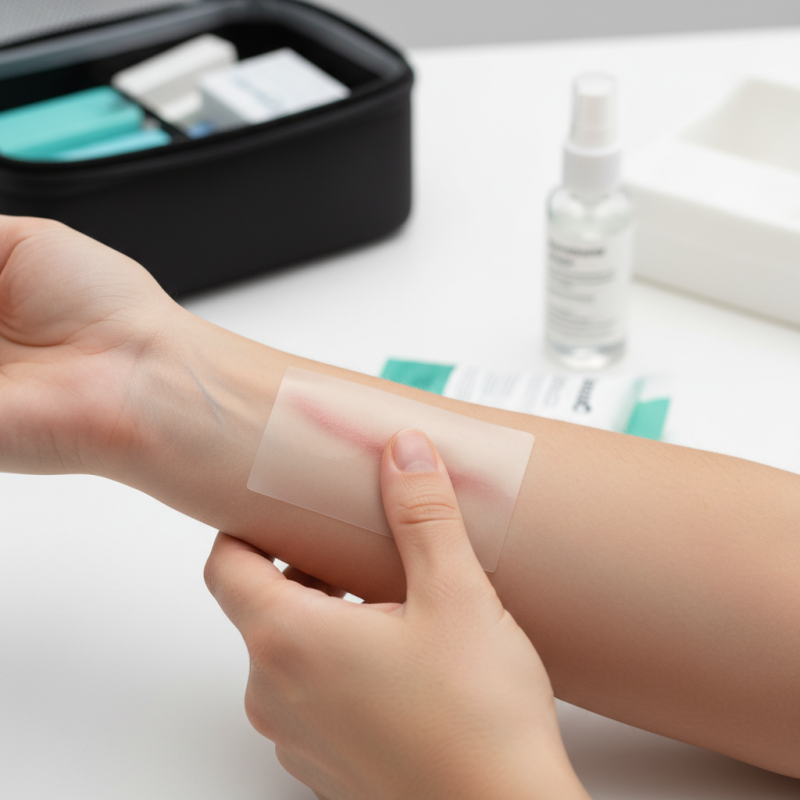
Scar sheets are silicone-based products designed to improve the appearance of scars. They work by hydrating the scar tissue and applying pressure, which can help soften the scar. Studies show that silicone sheets can reduce scar formation by up to 50% when used properly. Understanding their purpose can greatly enhance their effectiveness in your skincare routine.
Tips for using scar sheets: Clean the area before use. Apply the sheet to dry skin for optimal adhesion. Position the sheet directly over the scar for the best results. Wear it for at least 12 hours daily to maximize benefits. Notably, depending on the scar's age and type, results can vary. Some individuals may see improvement, while others may notice minimal changes. It’s essential to manage expectations based on your unique skin type.
Consistency is crucial. Many recommend using the sheets for several weeks for best outcomes. Research highlights that longer application times often yield better results. However, be mindful of skin sensitivity; some may experience irritation. If you notice any adverse reactions, it's important to reassess your treatment plan. Always consult with a dermatologist for personalized advice, as they can help evaluate your specific needs.
| Step | Description | Duration |
|---|---|---|
| 1 | Clean the scar area with mild soap and water. | 5 minutes |
| 2 | Dry the area completely before applying the scar sheet. | 2 minutes |
| 3 | Cut the scar sheet to the desired size if necessary. | 3 minutes |
| 4 | Peel off the backing from the scar sheet. | 1 minute |
| 5 | Apply the scar sheet gently over the scar. | 2 minutes |
| 6 | Press the edges to ensure full contact with the skin. | 1 minute |
| 7 | Leave the sheet on for recommended duration (typically 12-24 hours). | 12-24 hours |
: Start with clean hands. Wash them well. Clean the scar area gently with soap. Pat it dry with a clean towel.
Select a scar sheet that fully covers your scar. Trim it if needed. Ensure no gaps remain.
Press the sheet firmly from one end to the other. Smooth out any air bubbles. Ensure good contact with the skin.
Keep the sheet on for 12-24 hours. Consistency is key for seeing results.
If you notice redness or irritation, take a break. Allow your skin time to recover.
Avoid lotions or creams on the scar. They can reduce adhesion and effectiveness of the sheet.
Monitor your scar for changes. Consider taking photos weekly. This helps you notice improvements or necessary adjustments.
If you see no change, reflect on your routine. Adjust the application based on how your skin responds.
Removing it during a shower can disrupt healing. Reapply the sheet immediately after showering, if possible.
Consistent application helps maintain moisture. It is vital for healing. Trial and error might be necessary. Patience is important.
Scar sheets are an effective tool for improving the appearance of scars. To learn how to apply a scar sheet for maximum effectiveness, it's important to first understand what scar sheets are and their purpose in the healing process. Before applying the sheet, proper skin preparation is crucial to ensure optimal adhesion and efficacy.
In a step-by-step guide, begin by cleaning the scarred area thoroughly, then dry it completely before placing the scar sheet over the scar. To maximize the results, follow specific tips such as using the sheet consistently for the recommended duration and avoiding excessive moisture or movement that may dislodge it. Finally, monitor the area and maintain proper care post-application to enhance healing and improve the appearance of the scar over time. Adhering to these guidelines will help individuals achieve the best outcomes with their scar treatment.

 ProMix Medical