When it comes to wound care, many people wonder, "What is the difference between a plaster and a bandage?" Understanding this distinction is crucial for proper treatment. Dr. Jane Mitchell, a renowned expert in dermatology, emphasizes, "Each type of dressing serves its unique purpose for healing."
Plasters, often called adhesive bandages, are small and sticky. They are specifically designed for minor cuts and abrasions. The adhesive secures the protective pad over the wound. This helps keep it clean and shields it from bacteria. Bandages, however, come in various forms. They can be elastic, gauze, or adhesive strips. Their versatility allows them to cover larger wounds or to secure dressings in place.
Recognizing the right product can be challenging. Many people may use plasters for larger injuries or misunderstand the materials. While both are important in first-aid kits, not all wounds are alike. Misapplication can hinder healing. Understanding their differences can enhance your first-aid skills. Taking a moment to learn can make all the difference in effective wound care.
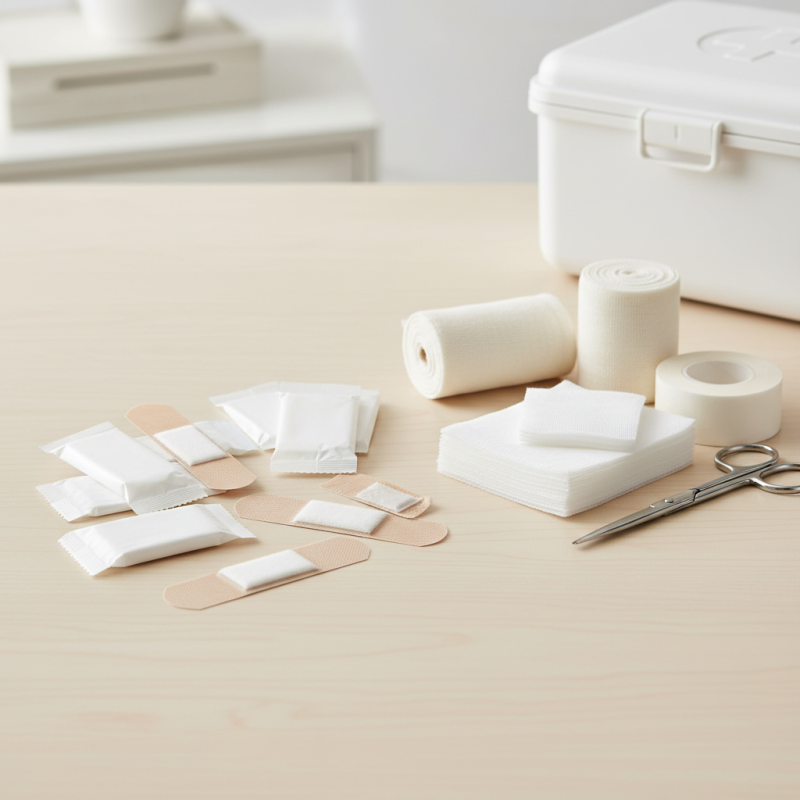
Understanding the Basic Definitions of Plasters and Bandages
When dealing with minor injuries, it's essential to understand the differences between a plaster and a bandage. A plaster, often referred to as a sticky bandage, is designed for small cuts and abrasions. It usually has a breathable material on the outside and a medicated pad to protect the wound. Plasters help keep out dirt and germs, promoting healing. They are often used for children or in home first aid kits.
In contrast, a bandage is more versatile. It can be used to wrap and support larger injuries, like sprains or strains. Bandages come in various materials and sizes, from gauze to elastic types. They can be adhesive or non-adhesive, making them suitable for different situations. While bandages can also cover wounds, they are typically used for compression and support rather than just protection.
Understanding these definitions can influence your choice in treating injuries. It's not always easy to pick the right product. Many people confuse the two, leading to improper care. Making mistakes in first aid can hinder recovery. A clear grasp of the specific uses of plasters and bandages can guide effective treatments.
Comparative Analysis of Plasters and Bandages
This chart compares the usage frequency of plasters and bandages in treating injuries. As depicted, bandages are used more frequently than plasters, indicating their broader applicability in various scenarios.
Key Differences in Composition: Plaster Materials vs. Bandage Fabrics
When it comes to understanding the difference between a plaster and a bandage, the composition is key. Plasters usually consist of a mix of gypsum, water, and other materials. They harden when dry, forming a solid shell. This makes them ideal for immobilizing a broken bone. They provide stability but may not be suitable for small cuts.
On the other hand, bandages are made from various fabrics like cotton or elastic. These materials are designed to wrap around injuries, providing compression and support. Bandages are versatile and can be used for cuts, sprains, and more. They usually allow for some movement, making them practical for daily use. However, they do not offer the same rigidity as plasters.
Understanding these components helps in choosing the right option for your needs. Not everyone may know the intricacies of each type. That’s an important point to consider. Taking the time to learn about medical supplies can enhance your first aid knowledge. It can make a significant difference in how effectively you respond to injuries.
Common Uses: When to Use a Plaster Over a Bandage
Understanding when to use a plaster versus a bandage can prevent complications. Plasters are ideal for minor cuts and scrapes. They are designed to cover small wounds, providing a moist environment that aids healing. According to a study from the Journal of Wound Care, maintaining moisture can speed up recovery times by up to 50%.
On the other hand, bandages are suitable for larger wounds. They offer more support and protection. A bandage can accommodate swelling and helps stabilize the area. The American Academy of Orthopaedic Surgeons notes that using a proper bandage helps reduce infection risk significantly in more serious injuries.
Tips for choosing the right option include assessing the wound size. If the injury is small, a plaster is sufficient. For larger areas or deeper cuts, opt for a bandage. Consider the activity level; if you’ll be moving a lot, a bandage might hold better over time. Always apply a clean dressing to minimize the risk of infection. Acknowledging the limitations of both options can lead to better decisions in wound care.
How to Know the Difference Between a Plaster and a Bandage? - Common Uses: When to Use a Plaster Over a Bandage
| Item |
Description |
Common Uses |
Best For |
Example Types |
| Plaster |
A small adhesive strip used to cover minor cuts and abrasions. |
Covering small cuts, blisters, and scrapes. |
Minor injuries where protection against dirt and bacteria is needed. |
Waterproof plaster, fabric plaster, waterproof adhesive strips. |
| Bandage |
A longer strip of cloth or material used to cover larger wounds and provide support. |
Wrapping around sprains, larger cuts, or for joint support. |
Larger injuries, or when additional support is required. |
Elastic bandages, gauze bandages, medical tape. |
Comparative Efficacy: Healing Times for Plasters vs. Bandages
When it comes to treating minor wounds, understanding the difference between a plaster and a bandage is crucial.
Plasters, typically adhesive strips, are designed for small cuts and grazes. They provide a protective barrier against dirt and bacteria. Their convenience makes them a go-to for quick fixes.
Bandages, on the other hand, are more versatile. They cover larger areas and can be wrapped around wounds for extra support. Bandages often stay in place longer. However, some may cause irritation if left on too long. It’s important to monitor healing times since both options vary in effectiveness depending on the wound's nature.
Healing times for plasters and bandages also differ. Plasters may hasten recovery for superficial cuts. However, a bandage might be more effective for deeper wounds needing compression. Choosing the right option often requires reflection on the specific injury. Knowing what works best can lead to better care.
Expert Recommendations: Choosing the Right Wound Dressing for Care
When it comes to treating minor wounds, choosing the right dressing is crucial. Many people confuse plasters and bandages. Understanding their differences will help you provide better care.
Plasters usually have a sticky backing and a cushioned pad. They're ideal for small cuts or blisters. Bandages, on the other hand, are versatile and can wrap around larger wounds.
Here are some tips for selecting the appropriate wound dressing:
- Assess the wound size. Use plasters for small and shallow injuries. For larger wounds, bandages are more suitable.
- Consider the area of the body. Flexible bandages work well on joints, while plasters stay effective on flat surfaces.
- Think about moisture. Some wounds may require breathable dressings to promote healing, while others need waterproof protection.
Knowing when to change dressings is also essential. Dressings should be changed regularly to prevent infection. However, they shouldn't be changed too frequently, as this can disrupt healing. Always prioritize cleanliness. Use
sterile materials to minimize the risk of complications. Remember, every wound is unique, and sometimes, trial and error is part of finding the right solution.
Conclusion
The article "How to Know the Difference Between a Plaster and a Bandage?" delves into the definitions and uses of these common wound care items. It begins by clarifying what is the difference between a plaster and a bandage, highlighting that plasters are typically adhesive dressings made from occlusive materials, whereas bandages serve as supportive wraps made from various fabrics. The composition of these items plays a critical role in their application, with plasters being ideal for small cuts and scrapes, while bandages are often used for larger wounds or to secure dressings in place.
Furthermore, the article discusses the comparative efficacy of each type, noting that plasters may provide faster healing for minor injuries due to their protective seal, while bandages can accommodate a broader range of injuries. Expert recommendations are included to guide readers in selecting the most appropriate dressing based on the nature of the wound. Overall, understanding these distinctions enables better care and management of injuries.

 ProMix Medical