Managing an ostomy begins with observing patterns, not following a rigid food list. This guide explores “What to eat to manage ostomy output” with practical, evidence-informed ideas for daily meals.
Tammy Windau-Melmer, MS, RD, CNSC, an ostomy nutrition specialist, emphasizes: “There is no one-size-fits-all ostomy diet; your body’s response matters most.” That principle matters because rice may thicken output for one person, while it causes discomfort for another. Small portions can be useful. Slow changes are safer.
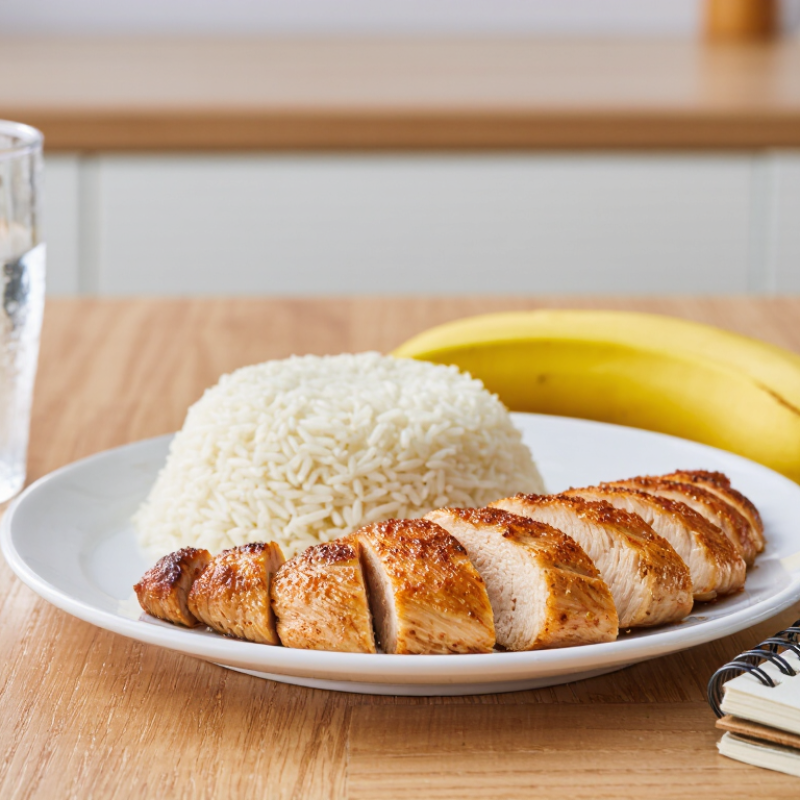
Picture a simple lunch: white rice, baked chicken, and a peeled banana. Eat slowly. Record the time, portion, stool consistency, gas, and discomfort. A small food diary can reveal patterns that memory misses. Fluids also deserve attention, especially with an ileostomy. Sip regularly rather than drinking a large amount at once. Oral rehydration solutions may help some people, but medical guidance is important.
Some foods may increase gas, odor, or watery output. Common examples include beans, onions, greasy meals, and certain sweeteners. These are not automatic “bad foods.” They are clues. Individual tolerance can change after surgery, illness, stress, or medication changes. That part is easy to underestimate.
Avoid abruptly removing many foods. Nutrition can suffer. Contact an ostomy nurse, gastroenterologist, or registered dietitian if output becomes persistently watery, unusually high, bloody, or suddenly different. Dizziness, dry mouth, weakness, or reduced urination may signal dehydration. This article offers direction, not a personal prescription. Even experienced patients still learn by adjustment.
How to Manage Ostomy Output With What You Eat?
Understanding How Food Affects Ostomy Output
Food can change ostomy output within hours. Texture, amount, and speed may all shift. An ileostomy often produces looser output than a colostomy. Your usual pattern matters most. There is no perfect food list.
Chew slowly until food feels soft. This can reduce poorly digested pieces in the pouch. White rice, bananas, potatoes, and smooth nut butter may thicken watery output for some people. High-fiber foods can add bulk, but raw vegetables, corn, mushrooms, and fruit skins may cause blockage risks. Introduce them carefully. Small portions work better than sudden changes.
Some foods increase gas or odor. Beans, onions, fizzy drinks, and eggs affect people differently. Keep a simple diary for several days. Record meals, output volume, consistency, gas, and discomfort. Change one food at a time. That makes patterns easier to notice, although the method is not perfect. I would not remove nutritious foods without a clear reason.
Hydration needs attention, especially with an ileostomy. Sip fluids regularly, and ask a clinician whether you need extra electrolytes. Dark urine, dizziness, weakness, or very high output require prompt medical advice. An ostomy nurse or registered dietitian can adjust guidance for your surgery, medicines, and health needs. Even familiar foods may behave differently after illness, stress, or surgery.
Food can influence stool consistency, gas, odor, and transit time. Introduce changes gradually and monitor your individual response.
| Food or Food Group | Typical Effect on Output | Most Relevant Concern | Practical Eating Guidance | Ostomy Considerations |
|---|---|---|---|---|
| Bananas, rice, applesauce, toast, and refined grains | Often help make loose output thicker because they are relatively low in insoluble fiber and contain starch or soluble fiber. | Loose or watery output | Try small portions and assess the response rather than relying on the same foods every day. | May be useful for some people with an ileostomy or colostomy, but individual tolerance varies. |
| Oatmeal, barley, peeled apples, and soluble-fiber foods | Soluble fiber absorbs water and can help regulate stool consistency. | Variable stool consistency | Increase gradually and drink adequate fluids unless a clinician has prescribed fluid restriction. | Sudden increases may cause bloating or cramping; chew foods thoroughly. |
| Raw vegetables, fruit skins, whole nuts, seeds, and popcorn | Insoluble fiber can increase bulk and may speed movement through the bowel. | High output, cramping, or blockage risk | During the early recovery period, follow the diet recommended by the surgical team; later, reintroduce foods one at a time. | People with a new ileostomy may need extra caution because poorly digested high-fiber foods can contribute to blockage. |
| Beans, lentils, onions, cabbage, broccoli, and cauliflower | May increase intestinal gas because fermentable carbohydrates are broken down by gut bacteria. | Gas and abdominal discomfort | Use smaller portions, eat slowly, and keep a food-and-symptom record. | Gas production differs widely; avoidance is not always necessary if symptoms are mild. |
| Spicy foods, high-fat meals, and fried foods | May irritate the digestive tract or accelerate intestinal transit in some individuals, producing looser or more frequent output. | Urgency, loose output, or burning discomfort | Choose smaller portions and lower-fat preparation methods when symptoms occur. | Persistent burning around the stoma should be discussed with an ostomy nurse or clinician. |
| Sugary drinks, sweets, and large amounts of fruit juice | High concentrations of simple sugars can draw water into the intestine and may worsen watery output. | Watery or high-volume output | Limit large servings and choose water or an appropriate oral rehydration solution when advised. | With an ileostomy, high output can increase the risk of dehydration and electrolyte loss. |
| Coffee, energy drinks, and other caffeinated beverages | Caffeine may stimulate bowel activity and can contribute to more frequent output in sensitive individuals. | Increased frequency or output volume | Reduce serving size or switch to a non-caffeinated option if a clear pattern is observed. | Caffeine can also affect hydration habits, especially when intake is high. |
| Alcoholic beverages | Alcohol may stimulate bowel activity and can contribute to dehydration. | Loose output and dehydration | Follow medical advice, avoid drinking on an empty stomach, and monitor output and fluid intake. | Extra caution is appropriate for people with high-output ileostomies or a history of dehydration. |
| Milk, ice cream, and other dairy foods | May cause gas, bloating, or diarrhea in people with lactose intolerance; tolerance may change after surgery. | Loose output, gas, or cramps | Try small amounts or lactose-free alternatives if symptoms repeatedly follow dairy intake. | Do not eliminate dairy long term without discussing calcium and vitamin D sources with a healthcare professional. |
| Eggs, fish, poultry, tofu, and other protein foods | Usually have little direct effect on stool volume and can support healing and muscle maintenance. | Recovery and nutritional adequacy | Include an appropriate protein source at meals unless restricted for another medical condition. | Some sulfur-containing foods, including eggs, may increase odor for certain people. |
| Garlic, onions, eggs, fish, and some strongly flavored foods | May make ostomy odor more noticeable without necessarily changing stool consistency. | Odor management | Identify personal triggers through a food diary rather than eliminating several foods at once. | Odor alone is usually not a sign of a problem, but a sudden persistent change should be reported. |
| Water, oral rehydration fluids, and salty foods when medically appropriate | Support hydration and electrolyte replacement, particularly when output is frequent or watery. | Dehydration and electrolyte imbalance | Sip fluids regularly and follow individualized guidance on sodium and fluid replacement. | People with an ileostomy may lose more sodium and fluid than people with a colostomy; output volume matters. |
Food may change output within hours. Texture, portion size, and eating speed can all matter. Many people notice more output 30–60 minutes after eating.
White rice, bananas, potatoes, and smooth nut butter may help some people. Try small portions. Your response may differ.
High-fiber foods can add bulk. Raw vegetables, corn, mushrooms, and fruit skins may be harder to pass. Introduce them slowly and chew until soft.
Keep a simple diary for several days. Record meals, output, consistency, gas, and discomfort. Change one food at a time. Patterns can mislead.
Try three modest meals at consistent times. Add small snacks if long gaps cause weakness or watery output. Eat slowly and chew thoroughly.
Not usually. Removing nutritious foods too quickly may cause poor nutrition and frustration. The real trigger might be meal timing, stress, or illness.
Mature ileostomy output is commonly about 600–1,200 milliliters daily. Output above 1,500 milliliters may need clinical review. These figures are not personal targets.
Dark urine, dizziness, weakness, dry mouth, reduced urination, or very watery output need prompt medical advice. Sip fluids regularly. Ask a clinician about electrolytes.
A morning coffee may trigger output quickly. A late, heavy meal may disturb overnight rest. Try moving it earlier and observe the change. Stay flexible.
Managing ostomy output begins with understanding how different foods, meal patterns, fiber levels, and fluids may affect volume, consistency, and frequency. What to eat to manage ostomy output depends on your individual response, but many people benefit from choosing familiar, easy-to-digest foods when output is loose and gradually adding foods that support more predictable consistency. Eating smaller meals at regular times may help reduce sudden changes, while adjusting fiber and fluid intake carefully can support comfort and hydration. Foods that thicken output for one person may cause gas or blockage concerns for another, so changes should be introduced slowly and with adequate chewing.
Keeping a simple record of meals, fluids, output, and symptoms can reveal personal patterns and guide future dietary choices. If output becomes unusually high, watery, painful, or difficult to manage, seek advice from a healthcare professional or ostomy specialist before making major changes.

 ProMix Medical