How to Prevent Skin Irritation Around a Stoma Top Tips

Time:2026-10-21 Author:Sophia
0%

Living with a stoma should not mean accepting sore, burning skin. Yet peristomal skin complications remain common. A systematic review published in the Journal of Wound, Ostomy and Continence Nursing reported widely varying rates, from 16% to nearly 78%. The differences reflect assessment methods, follow-up time, and patient conditions. Still, the message is clear. Prevention deserves daily attention.

How to prevent skin irritation around a stoma begins with an accurate fit. The pouch opening should sit close to the stoma without pressing against it. Clean the surrounding skin gently, then allow it to dry completely. Even a small amount of moisture can weaken adhesion and encourage leakage. The Coloplast Ostomy Life Study has repeatedly identified leakage as a major concern affecting confidence, sleep, and social activity. A damp wafer under clothing is not a minor inconvenience.

“Peristomal skin complications are not normal,” says ostomy-care expert Janice C. Colwell, DNP, APRN, CWOCN. Her point challenges a common mistake: treating redness as something to tolerate. Persistent redness, weeping, bleeding, or pain needs professional review. WOCN Society guidance also supports regular assessment, correct sizing, and early intervention.

Small habits matter. Measure the stoma after surgery and whenever its shape changes. Replace the pouch before leakage becomes obvious. Avoid scrubbing, alcohol, and unapproved creams. Some advice sounds simple, perhaps too simple. However, prevention can fail when routines become rushed. A stoma nurse can help identify hidden gaps, allergic reactions, or technique problems before irritation becomes a larger wound.
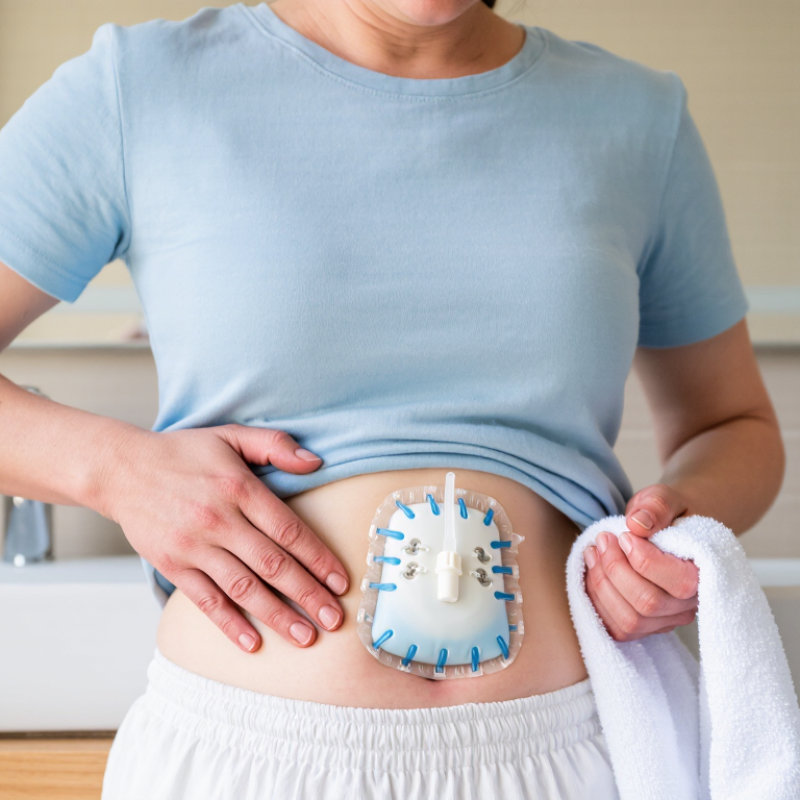
How to Prevent Skin Irritation Around a Stoma Top Tips

Understanding the Causes of Skin Irritation Around a Stoma

How to Prevent Skin Irritation Around a Stoma: Top Tips

Understanding the Causes of Skin Irritation Around a Stoma

Peristomal skin irritation is rarely random. It usually begins when urine, stool, sweat, or mucus remains beneath the skin barrier. Wounds International reports that peristomal skin complications may affect up to 77% of people with a stoma. The figure is concerning, but it also shows how common preventable problems can be.

A poor fit is often the hidden cause. A barrier opening that is too wide exposes delicate skin. A narrow opening may press against the stoma and cause friction. Body changes, scars, folds, and a stoma that sits below skin level can also encourage leakage. Repeated removal may strip the outer skin layer. This can create soreness before a person notices any visible rash.

Clean the area gently with warm water, then pat it completely dry. Avoid vigorous rubbing and unapproved products beneath the barrier. Check the seal whenever output leaks, even slightly. A nurse should reassess the fit after weight changes or repeated leaks. Do not assume every rash is irritation; fungal infection, allergy, and pressure injury can look similar. That is where self-treatment can fail.

A useful reflection is simple: the skin is showing a pattern. Burning after leakage suggests chemical irritation, while pain during removal suggests mechanical damage. Persistent redness, bleeding, spreading pain, or unusual discharge needs prompt assessment by a qualified stoma or wound-care professional.

Preparing the Skin Before Applying a Stoma Appliance

Preparing the skin before applying a stoma appliance can prevent burning, itching, and painful leaks. Start with clean hands and a calm routine. Gently remove the old appliance, supporting the surrounding skin instead of pulling sharply. Use lukewarm water and a soft, lint-free cloth to clear adhesive residue and output. Pat the area dry. Do not rub. Moisture is easy to miss, especially within skin folds.

Inspect the skin in good light before covering it. Healthy skin should look similar to the skin farther from the stoma. Redness, broken areas, weeping, blisters, or increasing tenderness deserve attention from a stoma nurse or healthcare professional. A small mirror can help you check the lower edge. Even a careful routine can fail when one damp patch goes unnoticed. That detail deserves attention every time.

Avoid creams, oils, alcohol-based products, and fragranced wipes unless your clinician recommends them. They may leave a film or sting already sensitive skin. If a protective skin product is recommended, apply a very thin, even layer and let it dry fully. Measure the stoma regularly, especially after surgery or weight changes. Cut the opening about 1–2 millimetres wider than the stoma. The fit should feel secure, not tight. If leakage continues, do not simply add more adhesive; ask a specialist to review the fit and technique.

Creating a Secure and Gentle Appliance Seal

A secure stoma appliance seal should protect skin without squeezing it. In practice, the best fit begins with careful measurement, not stronger adhesive. Measure the stoma when swelling has settled, then trace its shape onto the skin barrier. Leave only a narrow gap, usually 1–2 millimeters, around the stoma. This reduces exposure to output while avoiding pressure on the surrounding tissue. Clean the skin with warm water and dry it completely. Even a thin film of moisture can weaken the seal. Pat gently. Do not scrub.

Warm the barrier between your hands before applying it. Press around the stoma for 30–60 seconds, especially across creases or uneven skin. A flexible sealing ring or paste may fill small gaps, but more product is not always better. Excess material can create ridges, lifting, or difficult removal. Check the edge after moving, coughing, or bending. If output repeatedly leaks beneath the barrier, change the fit instead of covering the leak with extra layers. That habit can hide worsening irritation. Healthy skin should look close to its usual color, not shiny, raw, or persistently red.

Remove the appliance slowly while supporting the skin with one hand. Adhesive remover may help, but follow clinical instructions and avoid fragranced household products. Let the area dry before applying a new barrier. I would not ignore mild burning, even when the appliance still holds. Repeated discomfort deserves review by a stoma care nurse or clinician. They can assess retraction, uneven abdominal contours, allergy, infection, or frequent output. Keep a brief record of wear time, leaks, foods, and skin changes. Patterns help, although my own assumptions have sometimes been wrong.

How to Prevent Skin Irritation Around a Stoma

Creating a Secure and Gentle Appliance Seal

Peristomal skin is mildly acidic, while stoma output is usually closer to neutral or alkaline. Preventing leakage, gently cleansing the skin with water, drying thoroughly, and ensuring a close-fitting seal can help reduce prolonged exposure to moisture and digestive enzymes. The pH ranges shown are typical approximate values reported in clinical and dermatology literature and may vary between individuals.

Reference basis: general physiological pH ranges described in wound-care, ostomy-care, and dermatology literature. pH is shown as a range rather than a single value because diet, hydration, medications, and stoma type can affect output.

Managing Early Signs of Irritation and Skin Damage

Early irritation often appears before serious skin damage. Look for pinkness, burning, itching, moisture, or small areas of bleeding. A wafer that lifts repeatedly can expose skin to corrosive output. The problem may feel minor at first. It rarely improves when ignored.

Published ostomy-care reviews report peristomal skin complications in approximately 15% to 77% of people with ostomies, depending on definitions and follow-up methods. This wide range matters. It shows that early recognition and consistent assessment are essential. Wound, Ostomy, and Continence Nurses Society guidance recommends checking the skin at every appliance change. Use a mirror for hidden areas. Compare today’s skin with yesterday’s appearance.

Gently remove the appliance, then cleanse with lukewarm water and pat dry. Avoid scrubbing, alcohol, and fragranced products. Check whether the opening fits closely around the stoma. A gap of only a few millimetres can allow leakage. If redness remains after cleaning, spreads, becomes painful, or develops blisters, contact an ostomy nurse or qualified clinician promptly. Do not cover worsening damage with repeated adhesive layers. That can hide the cause. One practical mistake is changing products too quickly without checking fit, leakage, and removal technique. Keep a simple record of symptoms, output consistency, and appliance wear time. Patterns can reveal the trigger, although records are not a diagnosis.

Preventing Recurring Problems With Ongoing Stoma Care

How to Prevent Skin Irritation Around a Stoma: Top Tips

Preventing recurring skin problems requires steady stoma care, not occasional repairs. Check the skin during every pouch change. Look for redness, soreness, swelling, or broken areas. Healthy skin should resemble the surrounding skin. Small changes matter.

Clean the area gently with warm water and a soft cloth. Avoid vigorous rubbing, heavily fragranced products, and oily creams. Pat the skin completely dry before applying a new pouch. Moisture can weaken the seal and encourage leakage. Measure the stoma regularly, especially after surgery or body-weight changes. The opening should fit closely without pressing against the stoma.

Do not rush removal. Ease the adhesive away while supporting the skin with your other hand. Pulling quickly may cause tiny injuries that become painful later. If leakage happens repeatedly, review the fit, skin folds, activity level, and application technique. A convex shape or protective accessory may help, but professional assessment should guide that choice.

It is easy to blame the product first. Sometimes, the real problem is damp skin or an incorrect opening size. Keep a simple record of leakage, foods, activity, and skin changes. This can reveal patterns that memory misses. If irritation spreads, bleeds, weeps, or fails to improve, contact a stoma nurse or clinician promptly. Persistent soreness deserves attention, even when it seems minor.

How to Prevent Skin Irritation Around a Stoma: Top Tips for Preventing Recurring Problems With Ongoing Stoma Care

Care Dimension Common Risk or Cause Recommended Preventive Action How Often When to Seek Professional Advice
Gentle cleansing Rubbing, harsh soaps, fragranced products, or incomplete removal of adhesive and output can damage the peristomal skin.
  • Clean the skin with warm water and a soft cloth or a suitable plain, non-perfumed cleanser.
  • Use gentle patting rather than scrubbing.
  • Remove any residue carefully without repeatedly abrading the skin.
At each appliance change Contact a stoma nurse or healthcare professional if cleansing causes persistent burning, bleeding, or worsening soreness.
Complete drying Moisture trapped under the skin barrier can weaken adhesion and contribute to irritation. Pat the skin dry and allow it to become fully dry before applying the new pouching system. Avoid applying the adhesive over wet skin. At each appliance change Ask for advice if the skin remains persistently moist, weepy, or difficult to keep dry.
Accurate skin-barrier fit An opening that is too large leaves skin exposed to stoma output; an opening that is too tight may rub or put pressure on the stoma. Measure the stoma as recommended, especially when its size is changing, and cut or shape the opening so it fits closely around the base without constricting the stoma. Check at every change; re-measure when needed Seek review if there is a visible gap around the stoma, repeated leakage, pressure, bleeding, or new pain.
Leakage prevention Leaks expose the skin to digestive or bowel contents, which can cause inflammation and soreness.
  • Empty the pouch before it becomes heavy or overfilled.
  • Check the seal and appliance fit when leakage occurs.
  • Keep a record of when leaks happen to identify patterns related to movement, food, or appliance wear time.
Monitor daily Arrange a stoma-care review if leakage is frequent, unexpected, or continues despite fitting adjustments.
Gentle appliance removal Pulling the adhesive away quickly can strip the outer layer of skin and cause repeated trauma. Support the skin with one hand and slowly ease the appliance away, following the removal method taught by a healthcare professional. At every appliance change Seek advice if removal regularly causes skin tears, bleeding, blisters, or significant pain.
Adhesive and accessory review Sensitivity or irritation may develop after introducing a new adhesive, barrier film, powder, paste, or cleansing product. Introduce only one new product at a time and follow professional instructions. Do not layer products unless they are compatible and recommended for stoma care. Whenever a product changes Stop and obtain medical advice for rapidly spreading redness, marked swelling, blisters, or a suspected allergic reaction.
Management of hair Hair can interfere with the seal and make appliance removal more painful. If hair affects the seal, ask a stoma-care professional about safe trimming. Avoid shaving directly over irritated or broken skin unless specifically advised. As needed Get advice if hair removal causes cuts, follicle inflammation, pus, or increasing tenderness.
Skin inspection Small areas of redness or damage may worsen if they are hidden under the appliance. Inspect the skin around the stoma during appliance changes. Compare its appearance with the surrounding skin and note changes in colour, texture, moisture, or pain. At every change Contact a healthcare professional if irritation does not improve, spreads beyond the area covered by the appliance, or recurs repeatedly.
Monitoring stoma output Very liquid, unusually frequent, or increased output can make leakage and skin exposure more likely and may increase dehydration risk. Record significant changes in output, drink according to individual medical guidance, and follow the advice provided for managing high or watery output. Monitor daily and during changes Seek prompt medical advice for persistently high output, dizziness, reduced urination, severe weakness, or signs of dehydration.
Appliance change routine Leaving an appliance in place beyond its reliable wear time may increase leakage, lifting at the edges, and skin exposure. Change the appliance according to the product instructions and the individual plan provided by the stoma-care team. Prepare supplies before removal. According to the individual care plan Ask for a review if the appliance repeatedly fails earlier than expected or wear time changes suddenly.
Pressure and friction reduction Tight clothing, belts, uneven surfaces, or repeated rubbing can irritate the skin or affect the seal. Choose comfortable clothing and check that accessories do not press on the stoma or appliance. Discuss support garments with a healthcare professional if needed. Daily Seek advice if pressure causes persistent pain, colour changes in the stoma, or repeated appliance lifting.
Consistent documentation Recurring irritation may be linked to a particular product, appliance position, activity, output change, or removal technique. Keep a simple log of symptoms, leaks, products used, appliance wear time, and any changes in output. Share it during stoma-care appointments. Whenever symptoms or leakage occur Arrange a professional assessment for repeated problems rather than continuing to change products without guidance.
Important: Mild redness that resolves quickly after appliance removal may have a different cause from persistent or spreading irritation. Promptly contact a stoma nurse or healthcare professional for severe pain, rapidly worsening redness, warmth, swelling, pus, fever, significant bleeding, a change in stoma colour, or repeated leakage that cannot be controlled.

FAQS

What early signs suggest irritation around a stoma?

Watch for pinkness, burning, itching, moisture, soreness, or small bleeding spots. Early changes can worsen when ignored.

How often should peristomal skin be checked?

Check it during every pouch change. Compare today’s skin with yesterday’s appearance, using a mirror for hidden areas.

How should the skin be cleaned?

Gently use lukewarm water and a soft cloth. Pat the area completely dry. Avoid scrubbing, alcohol, and fragrances.

How can an incorrect opening cause skin problems?

A gap of only a few millimetres may allow leakage. Output can then contact and irritate nearby skin.

What should I do if leakage happens repeatedly?

Review the opening size, dampness, skin folds, activity, and application technique. The product may not be the real problem.

How should an appliance be removed safely?

Ease the adhesive away slowly while supporting the skin with your other hand. Quick pulling can create tiny injuries.

When should professional help be requested?

Contact a stoma nurse or qualified clinician if redness spreads, bleeds, blisters, weeps, or remains painful.

Can protective accessories solve recurring irritation?

They may help, but professional assessment should guide the choice. I might blame the pouch too quickly; fit and technique matter.

Conclusion

How to prevent skin irritation around a stoma begins with understanding what causes it. Common triggers include leakage, moisture, friction, frequent appliance changes, and sensitivity to cleansing products or adhesives. Before applying a stoma appliance, gently clean the surrounding skin with warm water or a mild, suitable cleanser, then dry it completely without rubbing. Avoid applying lotions, oils, or other products that may prevent the appliance from sticking properly.

A secure and gentle seal helps protect the skin from contact with output. The opening should fit closely around the stoma without pressing against it, while the appliance should be applied smoothly to reduce wrinkles and movement. Check the area regularly for redness, soreness, itching, or broken skin, and respond early by correcting leaks and allowing the skin to recover. Consistent, careful stoma care, proper fitting, and professional guidance when problems continue can help prevent recurring irritation and support healthy skin over time.

Sophia

Sophia

Sophia is a dedicated marketing professional with an exceptional depth of knowledge about her company's products and services. With a keen understanding of market trends and customer needs, she crafts insightful blog posts that not only inform but also engage readers, enriching the company’s online......