How to safely remove medical adhesive from skin?

Time:2026-05-11 Author:Sophia
0%

Removing medical adhesive from the skin can be a delicate process. Many individuals encounter issues when trying to detach these adhesives without causing skin damage. According to a report by the Wound, Ostomy and Continence Nurses Society, approximately 75% of patients experience skin irritation when adhesives are not applied or removed correctly. Understanding how to remove medical adhesive without hurting the skin is crucial not only for comfort but also for skin health.

Adhesive residues may lead to allergic reactions or infections if not handled properly. The National Institutes of Health suggests using skin-friendly removal methods to minimize potential harm. Common practices include utilizing warm water, oil-based substances, or specialized solvent wipes. Each method has its advantages and risks. It's essential to evaluate individual skin sensitivity and adhesive type before choosing a removal technique.

Despite the available options, many still face challenges. Troubles can arise from improper application of adhesive or lack of knowledge on removal techniques. Recognizing these pitfalls is vital for improving outcomes. Proper education can empower individuals to make informed choices, leading to safer and more effective adhesive removal practices.
How to safely remove medical adhesive from skin?

Understanding Medical Adhesive: Types and Uses

Medical adhesives play a crucial role in healthcare. They are used to attach dressings, hold surgical devices, and even support skin closures. Understanding the types of medical adhesive helps in determining their appropriate uses. Common types include hydrocolloid, acrylic, and silicone adhesives. Each type offers unique benefits and drawbacks. For example, hydrocolloid is gentle and suitable for sensitive skin, but it may not hold on as securely as others.

When applying medical adhesives, it's also essential to consider the context. For patients with sensitive skin, the choice of adhesive is vital. A strong adhesive may cause irritation, while a weaker one might peel off too soon. There are many variables to balance, including skin type and duration of wear. Integrated skin health assessments can guide the best adhesive selection.

Sometimes removing adhesive can be challenging. If not done properly, it can lead to skin damage. This situation requires careful consideration. Many people struggle with methods that don't effectively work for their skin type. Learning the best practices for both application and removal can enhance patient safety. Individual experiences can vary, so constant evaluation and adjustment are key to finding the right solution.

Assessing Skin Sensitivity Before Adhesive Removal

Assessing skin sensitivity is crucial before removing medical adhesive. Skin can react differently based on various factors. For instance, individuals with sensitive skin may experience irritation or redness. Testing on a small area can help gauge sensitivity. This practice is essential in preventing further skin damage.

When removing adhesive, consider these tips. Use warm water to soften the adhesive. Apply a gentle cleanser to help break down the bond. If you notice excessive redness or discomfort, stop immediately. Skin health should always take precedence.

Another helpful approach is to use oil-based products. Oils such as coconut or olive can help lift the adhesive gently. Always monitor your skin's reaction during the process. Reflection on your body’s signals is vital. Adjust your method if irritation occurs. Prioritize your skin's well-being when dealing with medical adhesives.

Step-by-Step Guide to Safely Remove Adhesive from Skin

Removing medical adhesive from skin can be tricky. It's vital to do it safely to avoid irritation or injury. Start by gently washing the area with warm, soapy water. This will help to loosen the adhesive.

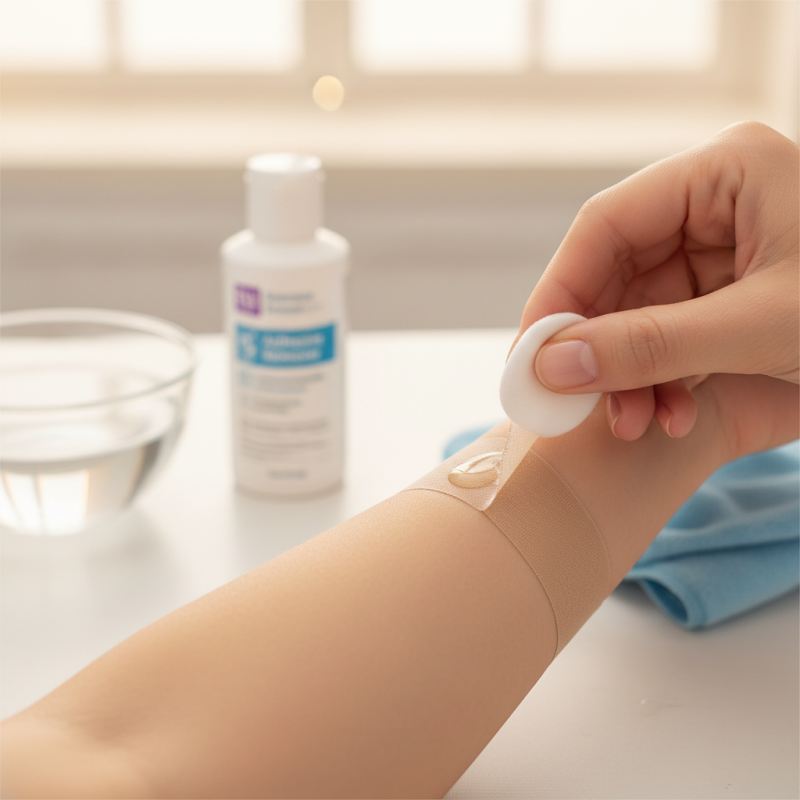
After cleaning, use a soft cloth or cotton ball moistened with rubbing alcohol or baby oil. Apply it directly to the adhesive. Let it sit for a few minutes. This step can be a bit uncomfortable. It’s essential to be patient. If the adhesive doesn’t come off easily, repeat this step.

For especially stubborn adhesive, using commercial adhesive removers can work. These products are designed for this purpose but should be used carefully. Always test any remover on a small skin area first. If skin irritation occurs, stop immediately. Keep in mind that some adhesives cling more than others. Results can vary. It’s okay if you need a few attempts. The key is to be gentle and take your time. Patience is important here.

Post-Removal Care: Soothing the Skin

After removing medical adhesive from your skin, it’s essential to care for the affected area. The adhesive can leave the skin feeling irritated or sensitive. To soothe the skin, start by gently washing the area with mild soap and lukewarm water. Rinse thoroughly to remove any residue. Pat the skin dry with a soft towel, avoiding any harsh rubbing.

Consider applying a fragrance-free moisturizer or a soothing ointment. Look for ingredients like aloe vera or calendula extract, as these can provide relief. If your skin still feels uncomfortable, try using a cool compress. This simple method can help reduce inflammation and redness. Remember, each person’s skin reacts differently. Monitor the area for any signs of worsening irritation or an allergic reaction.

In some cases, skin may peel or feel dry after adhesive removal. This is normal but bothersome. You might notice areas that look red or feel itchy. Resist the urge to scratch, as this can lead to infection. Keep the skin clean and moisturized to promote healing. If discomfort continues or worsens, consult a healthcare professional for further advice.

How to Safely Remove Medical Adhesive from Skin

This chart illustrates the effectiveness of various methods for safely removing medical adhesive from the skin. Warm water offers a moderate effectiveness of 75%, while oil-based removers are the most effective at 85%. Alcohol and vinegar show lower effectiveness at 65% and 55%, respectively. Commercial removers have the highest effectiveness at 90%, making them a reliable choice for adhesive removal.

Preventing Skin Damage During Adhesive Removal Process

Removing medical adhesive from the skin requires care to prevent damage. The adhesive can pull at the skin or cause irritation. It's vital to be gentle throughout the process to avoid unnecessary discomfort.

Tips: Use lukewarm water to soften the adhesive first. This can make removal smoother. A cotton ball soaked in oil can also help break down the sticky residue. Pat the area gently rather than pulling or scraping.

Consider using a slow, peeling method. Going too fast may cause skin irritation. If you feel pain, stop and reassess your approach. Sometimes, a quiet moment can help you decide the next best step. Listen to your body; it knows what feels right.

Lastly, moisturizing the area after removal is key. It helps soothe the skin and restores moisture. Apply a gentle lotion or cream. Be aware that everyone's skin reacts differently. Caring for your skin is a continuous process, and being attentive will lead to better healing.

FAQS

: What are medical adhesives used for?

: They attach dressings and hold surgical devices. They also support skin closures.

What types of medical adhesives are common?

Hydrocolloid, acrylic, and silicone adhesives are popular. Each type has unique benefits and drawbacks.

What should I consider when choosing an adhesive?

Skin type and duration of wear are key factors. Sensitive skin needs special attention.

How can I safely remove medical adhesive?

Removal requires careful techniques. Improper methods can cause skin damage.

What can I do after removing adhesive?

Gently wash the area with mild soap. Pat dry with a soft towel.

What should I apply to soothe irritated skin?

Use a fragrance-free moisturizer or soothing ointment. Aloe vera is particularly effective.

What if my skin feels itchy or dry after removal?

This can happen, but avoid scratching. Keep skin clean and moisturized to aid healing.

How can I reduce inflammation after adhesive removal?

A cool compress can help reduce redness and discomfort.

What if my reaction worsens after removal?

Monitor your skin for worsening irritation. Consult a healthcare professional if discomfort continues.

Are all individuals affected the same way by adhesives?

No, everyone’s skin reacts differently. Individual evaluation and adjustment are important.

Conclusion

When learning how to remove medical adhesive without hurting the skin, it is essential to first understand the different types of medical adhesives and their specific uses. Prior to removal, assessing skin sensitivity can help prevent irritation or damage.

A step-by-step guide emphasizes the importance of using gentle methods and appropriate tools, such as solvents or oils, that can ease the removal process. Following the removal, caring for the skin is crucial; applying soothing lotions or creams can help mitigate any discomfort. Finally, taking preventive measures during the adhesive removal process can protect the skin and enhance recovery, ensuring a safer experience overall.

Sophia

Sophia

Sophia is a dedicated marketing professional with an exceptional depth of knowledge about her company's products and services. With a keen understanding of market trends and customer needs, she crafts insightful blog posts that not only inform but also engage readers, enriching the company’s online......