How to Safely Remove Medical Adhesive Without Skin Damage?

Time:2026-08-27 Author:Charlotte
0%

Removing medical adhesive safely is crucial. Many people encounter this problem. Understanding how to remove medical adhesive without hurting the skin can prevent discomfort and skin damage.

Medical adhesives are used in various applications, from wound dressings to surgical procedures. While they serve a vital purpose, they can be challenging to remove. The wrong technique can lead to irritation or injury. It is essential to explore safe methods that minimize risks.

There are several strategies to consider. You might use specific solvents or oils. Warm water can also be effective. Each method has its pros and cons. Not all skin types respond the same way. Therefore, it requires trial and error. Ultimately, patience and careful observation can help achieve the best results.
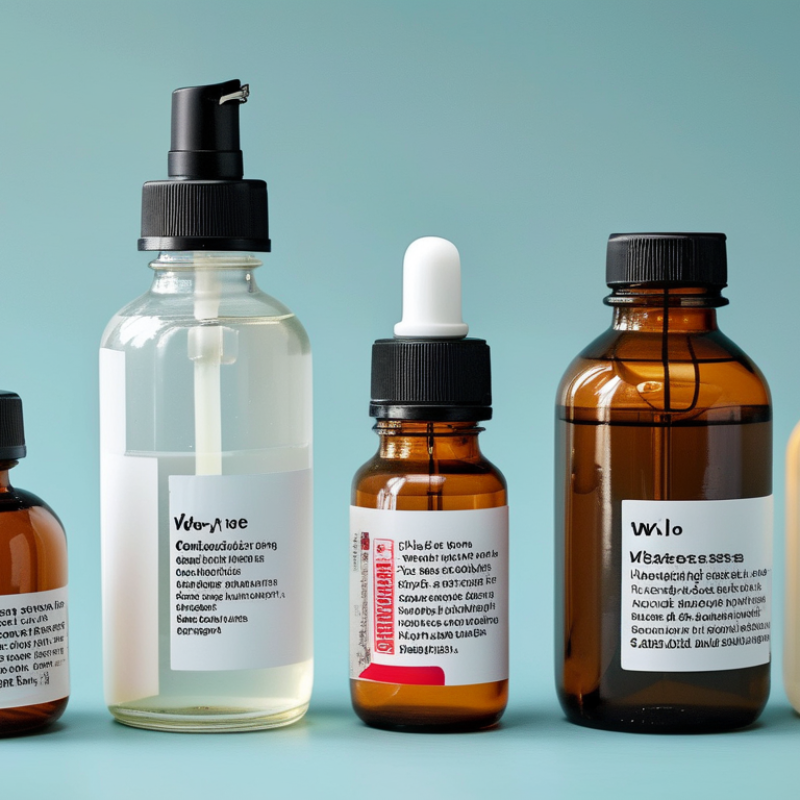
How to Safely Remove Medical Adhesive Without Skin Damage?

Understanding Medical Adhesives and Their Uses

Medical adhesives play a crucial role in healthcare. They offer effective solutions for wound care, securing dressings, and even during surgical procedures. According to the Journal of Adhesion Science and Technology, around 30% of patients report skin irritation from these adhesives. This shows the importance of understanding their properties. Various types are available, including hydrocolloid, silicone, and acrylic-based adhesives. Each type has specific applications and varying degrees of skin sensitivity.

When using medical adhesives, proper removal techniques can minimize skin damage. Experts recommend methods like using warm water, oils, or specific adhesive removers to ease the process. Staying gentle is essential; harsh pulling can lead to skin tears or irritation. Be mindful of sensitive areas, like the face or skin folds, which can react worse than others.

Consider these best practices: always test a small area first for sensitivity. Applying a moisturizing lotion before adhesive application can create a barrier. Always follow manufacturer guidelines for use and removal. Insights from the Dermatologic Surgery Journal reveal the need for personalized approaches in adhesive use, especially for those with sensitive skin types. Remember, managing skin health is just as vital as the adhesive's functionality.

Common Types of Medical Adhesives and Their Removal Challenges

Medical adhesives are widely used in healthcare settings for securing dressings, supports, and devices. Common types include silicone-based, acrylic, and rubber adhesives. Each type presents unique removal challenges. For instance, silicone adhesives adhere firmly yet are designed for gentle removal. In contrast, acrylic adhesives can bond more aggressively, leading to potential skin irritation upon removal.

According to a study from the Journal of Burn Care & Research, skin trauma occurs in 20% of patients during adhesive removal. This underscores the need for careful techniques to mitigate injury. Employing techniques like applying heat or using adhesive removers can help. However, not every method is foolproof. Some patients report sensitivity to specific adhesive removers, illustrating the importance of personalized care.

In practice, it's clear that while medical adhesives serve critical functions, their removal poses significant challenges. Medical professionals must prioritize patient comfort. Continuous education on new removal techniques can enhance safety and effectiveness. Thorough assessments before applying adhesives can prevent complications and ensure better outcomes.

Step-by-Step Guide to Safely Removing Medical Adhesive

Removing medical adhesive can be tricky, especially if you want to avoid skin damage. Gather your supplies before starting. You’ll need warm water, mild soap, a soft cloth, and some oil-based products like baby oil or olive oil. Always test a small area of skin first to check for any irritation.

Begin by soaking the adhesive area with warm, soapy water. This helps to loosen the adhesive. Gently rub the area with the soft cloth in circular motions. Patience is key here. For tougher residues, apply a small amount of an oil-based product directly on the adhesive. Allow it to sit for a few minutes. This softens the adhesive further, making it easier to remove.

Afterward, use the cloth to wipe away the adhesive. If any residue remains, repeat the process. Always remember, if you notice any redness or irritation, cease the process immediately. These signs indicate that the skin is sensitive. It’s crucial to listen to your body and adjust your approach. Everyone's skin reacts differently, so what works for one person may not work for another.

Recommended Tools and Methods for Gentle Adhesive Removal

When removing medical adhesive, you want to be gentle. Using the right tools makes a big difference. Cotton balls soaked in warm, soapy water can loosen the adhesive. This method is simple and safe. You can try applying the soaked cotton for a few minutes. Patience is key here; rushing may hurt your skin.

Another effective tool is glycerin. This natural product breaks down the adhesive without damaging your skin. Apply glycerin directly to the adhesive and let it sit for a while. Then, gently peel the adhesive away. It’s crucial to go slow. If you feel any discomfort, stop immediately.

Sometimes, using adhesive remover wipes can help. However, they're not always skin-friendly. Testing on a small patch of skin first is wise. You might find some methods work better than others for you. Everyone's skin is different, and reactions can vary. Stay observant and adjust your approach as needed.

Aftercare Tips to Promote Skin Healing Post Adhesive Removal

Removing medical adhesive can be tricky. After the adhesive is gone, proper aftercare is crucial for skin healing. Start by gently cleansing the area with a mild soap. This helps remove any residue that remains. Avoid scrubbing, as this can irritate the skin further.

Moisturization plays a vital role in recovery. Use a gentle, fragrance-free lotion or ointment. This helps maintain the skin’s moisture barrier. If irritation occurs, consider applying a thin layer of ointment that promotes healing. A soothing aloe vera gel can also reduce discomfort.

Keep an eye on the area for any signs of infection. Redness, swelling, or increased pain should be addressed quickly. Consulting a healthcare professional is always wise if you notice these symptoms. Remember to give yourself time to heal; rushing the process can lead to setbacks.

FAQS

: What are medical adhesives used for?

: Medical adhesives are used for wound care, securing dressings, and during surgical procedures.

Can medical adhesives cause skin irritation?

Yes, about 30% of patients report skin irritation from these adhesives.

What methods can minimize skin damage when removing adhesives?

Use warm water, oils, or specific adhesive removers for easier removal without damage.

How should I remove medical adhesive?

Soak the area with warm, soapy water and gently rub with a soft cloth.

Is it necessary to test for sensitivity before applying adhesives?

Yes, testing a small skin area first can prevent irritation.

What should I do if I notice skin irritation?

Stop the removal process immediately and reassess your approach.

How can moisturizing help with adhesive application?

Applying lotion before adhesive can create a protective barrier on the skin.

Are there different types of medical adhesives?

Yes, common types include hydrocolloid, silicone, and acrylic-based adhesives.

What is the importance of following manufacturer guidelines?

Adhering to guidelines ensures effective use and helps prevent skin problems.

Why is patience necessary during adhesive removal?

Patience helps avoid skin damage and ensures the adhesive is completely loosened.

Conclusion

Medical adhesives are widely used in healthcare settings for various applications, but their removal can be challenging without causing skin damage. Understanding how to remove medical adhesive without hurting the skin is crucial for maintaining skin integrity and comfort. The article outlines common types of medical adhesives and the specific challenges they present during removal.

It provides a step-by-step guide to safely removing adhesive, emphasizing the importance of using recommended tools and gentle methods. Additionally, the article offers aftercare tips to promote skin healing post-adhesive removal, ensuring that the skin is protected and nurtured after the process. Following these guidelines allows for effective adhesive removal while minimizing the risk of irritation or injury to the skin.

Charlotte

Charlotte

Charlotte is a seasoned marketing professional with a deep understanding of the company's portfolio and a passion for elevating its presence in the market. With a keen eye for detail and a commitment to excellence, she ensures that our professional blog is regularly updated with insightful articles......