How to identify an infected wound under a dressing can be difficult because the bandage hides changes in the skin. The dressing may look clean while pain, warmth, or swelling quietly worsens beneath it. A small amount of clear fluid can occur during healing, so one sign alone does not prove infection. Look for a pattern, and compare the wound with how it looked yesterday.
Wound-care specialist Dr. Robert J. Snyder is an expert in this field. To avoid inventing a direct quotation, the following is an editorial summary, not his verbatim words: “Increasing pain, spreading redness, warmth, swelling, or pus deserves prompt clinical attention.” Watch for thick yellow or green drainage, a bad smell, skin that feels hot, red streaks, fever, or chills. These are warning signs, not a diagnosis. A dressing can hide more than it reveals. That is easy to underestimate.
This guide outlines the top ten signs to notice and explains when to seek medical advice. Follow the dressing instructions from your clinician; do not repeatedly peel it back just to check. If the dressing becomes soaked, loose, or contaminated, follow your care plan or contact the clinic. Seek urgent care for rapidly spreading redness, severe or escalating pain, fever, confusion, or feeling very unwell. People with diabetes, poor circulation, or weakened immunity may need earlier assessment. When uncertain, ask a healthcare professional. Small details matter.
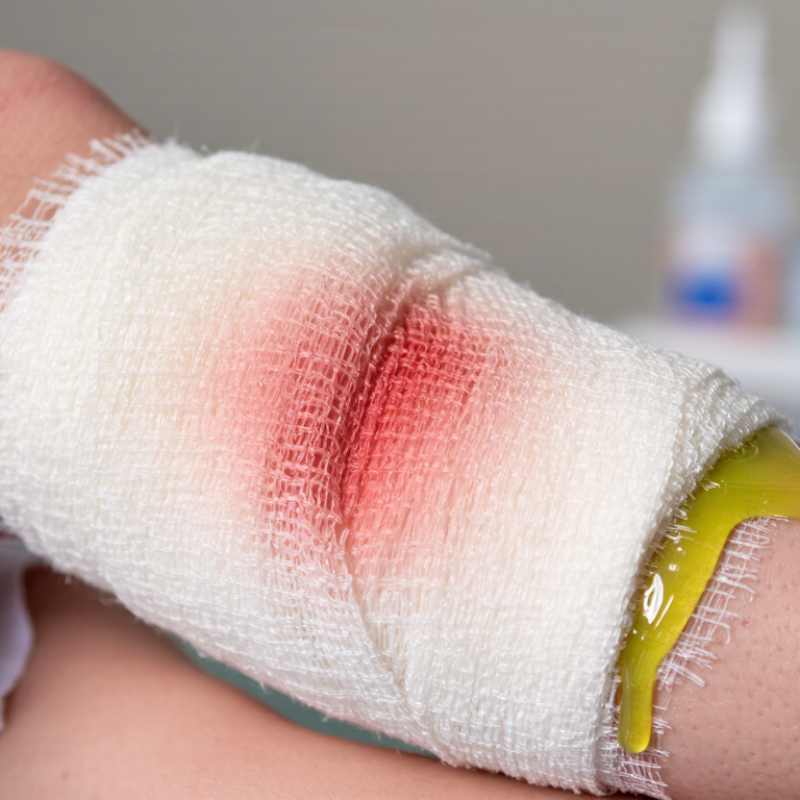
Checking beneath a dressing starts with clean hands, good light, and your clinician’s instructions. Do not remove a dressing that must stay in place, or pull out wound packing. If a dressing change is permitted, peel it back gently and stop if it sticks or causes sharp pain. Look for redness spreading beyond the wound, increasing warmth, swelling, worsening tenderness, thick yellow or green drainage, or a new unpleasant smell. A little clear fluid or mild redness can occur during healing, but changes matter. Compare what you see with yesterday’s appearance, if you can. It is easy to miss a small change.
The CDC reports that surgical-site infections affect about 2–4% of patients having inpatient surgery. That figure concerns surgical wounds, not every cut, but shows why monitoring matters. Record the date, drainage, and any change in redness; a quick phone photo may help your care team. Contact a clinician promptly if symptoms worsen, the wound opens, or drainage increases. Fever, chills, red streaks, or feeling very unwell need urgent medical advice. Do not probe the wound or apply leftover creams unless a clinician directs you. If you are unsure whether the dressing should come off, leave it in place and ask your care team.
A dressing can hide changes in the wound. Look for changes you can safely observe, and follow the wound-care instructions you were given. Do not remove or disturb a dressing unless your care team has advised you to do so.
| # | Possible sign | What you may notice | Safe next step |
|---|---|---|---|
| 1 | Increasing redness | Redness around the wound that is spreading or worsening rather than settling. | Contact a healthcare professional, especially if the area is expanding quickly. Do not mark or press on the wound unless advised. |
| 2 | Increasing warmth | Skin around the wound feels warmer than nearby skin, if it is visible and safe to touch. | Seek clinical advice if warmth is new or increasing, particularly with redness or pain. |
| 3 | Worsening swelling | New or increasing puffiness around the wound or beneath the dressing. | Contact your care team for guidance; do not loosen or remove a compression or specialty dressing without instructions. |
| 4 | Increasing or new pain | Pain that is getting worse, returns after improving, or seems more severe than expected. | Arrange prompt medical advice. Severe, rapidly worsening pain needs urgent assessment. |
| 5 | Cloudy or pus-like drainage | Thick, cloudy, or yellow-green fluid visible through the dressing or when a dressing change is due. | Contact a healthcare professional. Do not squeeze the wound or try to drain it. |
| 6 | More drainage than usual | The dressing becomes wet, saturated, or needs changing more often than instructed. | Follow your dressing plan and contact your care team if drainage increases or the dressing becomes soaked. |
| 7 | Unpleasant or new odor | A persistent foul smell from the wound or dressing, particularly alongside other changes. | Ask a healthcare professional for advice. Odor alone does not confirm infection and can have other causes. |
| 8 | Wound edges opening or delayed healing | The wound appears to be separating, or it is not healing as expected. | Contact your care team. Do not pull the edges together or remove stitches, staples, or closure strips yourself. |
| 9 | Fever or chills | A raised temperature, chills, or feeling unusually unwell along with wound changes. | Seek prompt medical advice. Follow local guidance for urgent care if symptoms are severe. |
| 10 | Red streaks or rapidly spreading redness | Red lines extending away from the wound, or redness spreading quickly. | Get urgent medical assessment, especially if accompanied by fever, chills, or feeling very unwell. |
Safe check: Wash your hands before and after handling the outside of a dressing. Check for leakage, loosening, or changes in how you feel, and follow the schedule provided by your clinician. Seek emergency care for severe symptoms such as confusion, fainting, difficulty breathing, or rapidly worsening illness. These signs can have causes other than infection; a healthcare professional can assess them.
Increasing pain, warmth, swelling, or redness can be warning signs. Compare the area with yesterday.
No. A tight dressing or tenderness alone may have other causes. Look for changes over time.
Notice spreading redness, thick or cloudy drainage, or a new unpleasant smell. Don’t poke beneath the dressing.
Follow your clinician’s instructions. If it should stay in place, don’t remove it just to look.
A temperature of 38°C (100.4°F) or higher, chills, or sweating may be concerning. Some people feel unusually weak or tired.
Seek urgent help for confusion, fainting, breathing difficulty, or rapidly worsening illness. Red streaks or fast-spreading redness also need prompt attention.
Contact a healthcare professional if signs are worsening or unclear. Waiting for an unmistakable sign may not be wise.
Yes. Fever may be absent, especially in older adults or people with weakened immune systems. Check how you feel, too.
How to identify an infected wound under a dressing starts with checking it safely and following the care instructions provided by a healthcare professional. Wash your hands before handling the dressing, and do not remove or replace it earlier than advised unless it is wet, loose, or there is another reason to do so. When the wound is visible during an approved dressing change, look for increasing redness, worsening swelling, cloudy or foul-smelling drainage, or skin that appears to be breaking down.
Pain that is getting worse rather than improving, warmth around the wound, and spreading redness can also be warning signs. Infection may cause fever, chills, or feeling generally unwell. Contact a healthcare professional if these symptoms appear or the wound is not improving. Seek urgent care for rapidly spreading redness, severe or escalating pain, significant fever, confusion, or other sudden serious symptoms. Early assessment can help determine what care is needed.

 ProMix Medical