Choosing the right wound dressing for injuries can be a challenging task. According to Dr. Emily Carter, a renowned expert in wound care, “Selecting an appropriate dressing is key to promoting healing.” Understanding how to choose the right wound dressing for different injuries is crucial for effective recovery.
Different injuries require tailored approaches. For instance, a simple cut may benefit from a basic adhesive bandage. In contrast, a deep surgical wound demands specialized dressings that prevent infection. Observing the wound's nature and environment aids in this decision. It’s essential to consider factors like moisture, bacteria, and the type of injury.
While it's important to rely on expert guidance, making mistakes is part of the learning process. One might misjudge the appropriate dressing for specific wounds. Such oversights can lead to complications like delayed healing. Adapting to the uniqueness of each injury involves continuous reflection and adjustment. Armed with knowledge and expert advice, one can navigate the complexities of wound care more effectively.
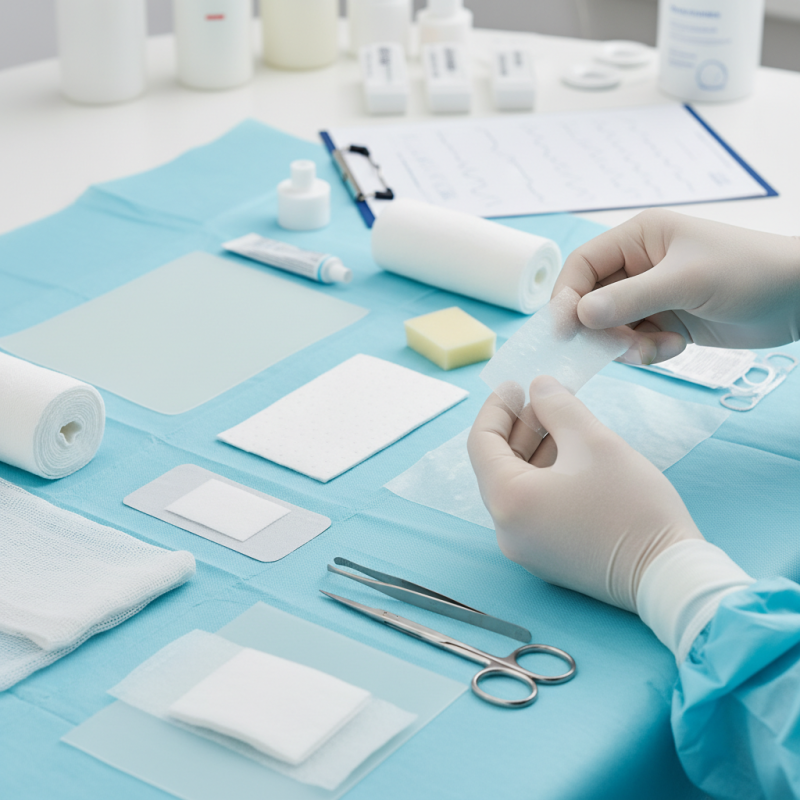
Choosing the right wound dressing is crucial for effective injury care. Consider the type of wound when selecting a dressing. For shallow cuts, adhesive bandages can suffice. They provide protection and keep out dirt. For deeper wounds, specialized dressings are necessary. Hydrocolloid dressings can help maintain a moist environment, promoting healing.
Understanding the properties of different dressings is vital. Gauze dressings are often used, but they can stick to the wound. This can hinder healing and cause pain during changes. Foam dressings offer cushioning and absorbency. They're suitable for more severe injuries. Yet, they may be overkill for minor cuts.
Reflecting on wound care practices, it's essential to evaluate what has worked in the past. There’s no one-size-fits-all solution. Each wound is unique. It may take time to learn which dressing works best for each situation. Observe how wounds respond to dressings. Adjust your approach based on effectiveness. This ongoing assessment can improve healing outcomes and enhance patient care.
| Type of Dressing | Indications | Benefits | Considerations |
|---|---|---|---|
| Hydrocolloid Dressings | Partial thickness wounds, pressure ulcers | Moist environment, pain relief | Not for infected wounds |
| Foam Dressings | Moderately to heavily exuding wounds | High absorbency, cushioning | Can require frequent changes |
| Alginate Dressings | Moderate to heavy exudate, infected wounds | Highly absorbent, promotes healing | Requires secondary dressing |
| Transparent Film Dressings | Minor wounds, IV sites | Waterproof, allows visualization | Not suitable for heavy exudate |
| Hydrogels | Dry or sloughy wounds | Moisturizes and soothes | Not for heavy exudate |
| Composite Dressings | Variety of wound types | All-in-one solution | May be more expensive |
| Silver Dressings | Infected or at-risk of infection wounds | Antimicrobial properties | Possible allergic reactions |
| Charcoal Dressings | Odorous wounds | Odor control | Can be costly |
| Biosynthetic Dressings | Deep wounds with tissue loss | Promotes cell migration | Requires careful application |
| Cotton Gauze | Cleaning and covering any wound | Versatile and cost-effective | Not water-resistant |
: Adhesive bandages are often sufficient for shallow cuts. They provide protection and keep dirt away.
Specialized dressings are necessary for deeper wounds. They promote healing and reduce infection risk.
Gauze dressings are widely used, but they may stick to wounds. This can hinder healing and cause pain.
Foam dressings offer cushioning and absorbency. However, they may not be needed for minor injuries.
Clean the wound thoroughly before applying a dressing. This helps reduce bacteria and promotes healing.
Seek help if the wound is deep, bleeding heavily, or shows infection signs like redness or pus.
Yes, proper dressing selection can lower infection rates by up to 50%. It's essential to assess the wound.
Choose dressings that can be removed easily. Dressings that stick can cause discomfort during removal.
Each wound is unique. Factors like size and moisture levels should influence dressing choices for effective healing.
Trust your instincts and seek professional advice. Consulting a healthcare provider can ensure appropriate care.
Choosing the right wound dressing is crucial for effective injury care. When considering **how to choose the right wound dressing for different injuries**, one must first understand the various types of dressings available, such as hydrocolloid, adhesive, and antimicrobial options. It’s essential to identify the nature and severity of the injury as this directly influences the dressing selection. Additionally, evaluating the environment and location of the wound can help determine the appropriate dressing that will offer the best protection and healing environment.
Patient-specific factors, such as allergies or sensitivities, should also be taken into account when selecting a dressing. Finally, it is important to know when to consult a healthcare professional, especially in cases of severe injuries or if there is uncertainty about the proper dressing to use. Thorough consideration of these aspects will ensure optimal wound management and recovery.

 ProMix Medical