Wound healing is a complex biological process. Understanding this process is essential for effective treatment and recovery. People often wonder, "What are the stages of normal wound healing?" This question is key to comprehending how the body repairs itself.
Wound healing typically occurs in four main stages: hemostasis, inflammation, proliferation, and remodeling. Each stage plays a crucial role in restoring skin integrity. During hemostasis, blood vessels constrict and platelets aggregate to form a clot. This process prevents excessive blood loss and sets the stage for healing.
Inflammation follows, where white blood cells arrive at the wound site. They clear debris and fight infections. At this point, some may feel frustrated with the slow healing process. However, these initial reactions are vital for long-term recovery. The proliferation stage sees the formation of new tissue, while remodeling refines this tissue's strength and appearance. Recognizing these stages can help individuals better manage their recovery and expectations.
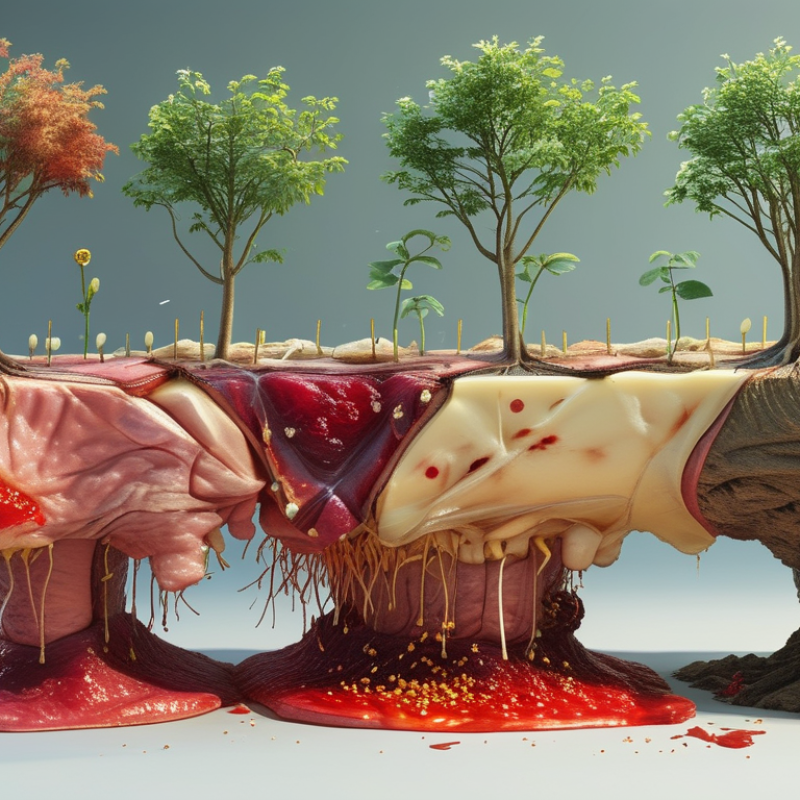
Definition and Overview of Normal Wound Healing Stages
Normal wound healing is a complex process that occurs in stages. The stages are hemostasis, inflammation, proliferation, and remodeling. Each stage plays a crucial role in the healing journey. According to the Journal of Wound Care, approximately 6.5 million people in the United States suffer from chronic wounds, emphasizing the need for a deeper understanding of these stages.
During hemostasis, the body forms a clot to prevent further bleeding. This stage usually lasts from a few minutes to a few hours. Inflammation follows, where the body sends immune cells to fight infection. The healing process can sometimes stall here if the immune response is excessive or insufficient. Research from the Wound Healing Society shows that chronic inflammation can delay healing, affecting 5-10% of surgical wounds.
Proliferation involves tissue formation and epithelial re-growth. This stage can take days to weeks, depending on the wound severity. Lastly, remodeling occurs, lasting months to years. The collagen framework strengthens the tissue but may lead to scarring. The healing process is not always linear; understanding its nuances can help in assessing and improving patient outcomes. Engaging with reliable sources can enhance our knowledge and approach to wound care.
Hemostasis: The Initial Response to Wound Trauma
Hemostasis is the body's immediate response to injury. This early stage occurs within minutes of trauma. When skin or tissue is damaged, blood vessels constrict. This constriction reduces blood flow, minimizing blood loss. Platelets quickly gather at the injury site. They form a temporary "plug" that seals the wound.
During this phase, the body initiates a complex biochemical cascade. The platelets release substances that attract more platelets. This leads to the formation of a stable clot. However, this response can vary. Some people may experience excessive bleeding. Others may face clotting disorders. These issues highlight the body's diverse responses to trauma.
Understanding hemostasis is crucial for effective wound management. Many factors influence this initial response. Age, overall health, and medication can all play roles. Health professionals must consider these variables. Each patient's healing process may differ significantly. This variation requires careful monitoring and tailored treatment strategies.
How Hemostasis Contributes to Normal Wound Healing
This bar chart illustrates the approximate time taken for each stage of hemostasis during the initial response to wound trauma. Each phase plays a crucial role in stopping bleeding and initiating the healing process.
Inflammation: The Body's Defense and Healing Response
Inflammation plays a vital role in wound healing. When skin is injured, the body reacts with an inflammatory response. This reaction is essential for defending against infection. Blood vessels dilate, allowing more blood to flow to the injured area. This increased blood flow brings necessary immune cells. For instance, white blood cells rush to the site to combat pathogens.
However, inflammation can sometimes become excessive. Chronic inflammation may hinder healing and cause further complications. It can lead to prolonged pain and tissue damage. Listening to your body is important during this phase. Monitoring signs of inflammation, like redness or swelling, can help in managing the healing process. Balancing the body's response is crucial for optimal recovery.
In essence, inflammation reflects the body's intent to heal. It signals that the healing process is underway. Yet, it also warns that too much inflammation can be detrimental. Achieving a healthy inflammatory response is key. Understanding this balance encourages better care for wounds.
Proliferation: Tissue Formation and Regeneration Processes
Proliferation is a vital stage in wound healing, where tissue formation and regeneration occur. During this phase, fibroblasts play a crucial role. They produce collagen, which acts as the building block for new tissue. This process is essential for filling in the wound's gap. Angiogenesis, the formation of new blood vessels, also happens at this time. It ensures adequate blood supply to the healing tissue, providing necessary nutrients and oxygen.
In this stage, granulation tissue forms, creating a scaffold for regeneration. It appears as pink and soft tissue, indicating healing activity. However, not every wound heals uniformly. Some may develop complications like excessive scarring or delayed healing. External factors such as infection or poor nutrition can hinder this process. Monitoring the wound closely is critical to address these potential issues.
Understanding the proliferation phase emphasizes the importance of patience. Healing takes time, and fluctuations are normal. Encouraging a healthy environment through proper care optimizes recovery. Awareness of how this stage unfolds can lead to more effective management of wounds.
How to Understand the Stages of Normal Wound Healing? - Proliferation: Tissue Formation and Regeneration Processes
| Phase |
Duration (Days) |
Key Processes |
Cell Types Involved |
Significance |
| Inflammation |
0-4 |
Hemostasis, Acute Inflammation |
Neutrophils, Macrophages |
Prepares the wound for healing |
| Proliferation |
4-14 |
Granulation, Angiogenesis, Epithelialization |
Fibroblasts, Endothelial Cells, Keratinocytes |
Formation of new tissue to fill the wound |
| Remodeling |
14-365 |
Collagen Remodeling, Scar Maturation |
Fibroblasts, Myofibroblasts |
Strengthens and decreases the size of the scar |
Maturation: Tissue Remodeling and Restoration of Strength
Maturation, also known as tissue remodeling, is a crucial stage in the wound healing process. This phase can last from weeks to months. During this time, collagen fibers reorganize to restore tissue strength. New blood vessels may also develop, which supports healing. This process is not always perfect; sometimes, scars form where tissue is healed. Some scars are tough and thick, while others may present as flat or discolored.
The body is constantly balancing healing and remodeling. Some individuals may have a more efficient healing response, while others struggle. Factors like age, nutrition, and overall health affect outcomes.
Skin elasticity may not return to its original state, leaving a reminder of the past injury. It’s essential to understand that healing does not always mean perfection. Reflection on personal healing experiences can provide insights into this complex process.
FAQS
: The main stages are hemostasis, inflammation, proliferation, and remodeling. Each stage is vital for recovery.
Hemostasis typically lasts from a few minutes to a few hours. It's the body's immediate response to injury.
The body sends immune cells to fight infection. This stage can stall if the immune response is too strong or weak.
Chronic inflammation can affect 5-10% of surgical wounds. This disruption can stall the healing process significantly.
This stage varies depending on the wound's severity. It can take days to weeks for tissue formation and re-growth.
The collagen framework strengthens tissue but may lead to scarring. This phase can last from months to years.
Factors like age, nutrition, and health status can vary responses. Each person's healing journey is unique and complex.
No, scars can differ in texture and appearance. Some may be thick, while others are flat or discolored.
Healing does not always mean perfection. Some individuals may not regain full elasticity or strength, leaving visible reminders.
Reflecting on personal healing journeys can provide insights. It's a complex process with many variables influencing outcomes.
Conclusion
Understanding the stages of normal wound healing is essential for effective wound management and recovery. The process begins with hemostasis, where the body’s immediate response to trauma involves blood clotting to prevent excessive bleeding. Following this, inflammation occurs, characterized by the body's defense mechanisms mobilizing to prevent infection and initiate the healing process.
As healing progresses, proliferation takes place, where new tissue forms and regenerates, including granulation tissue and re-epithelialization. Finally, maturation occurs, involving tissue remodeling and the restoration of skin strength over time. By comprehending what are the stages of normal wound healing, healthcare providers can better support patients through their recovery journey, ensuring optimal healing conditions.

 ProMix Medical