When to Change a Hydrocolloid Bandage Best Tips and Practices?

Time:2026-04-29 Author:Charlotte
0%

Hydrocolloid bandages offer an innovative solution for wound care. They create a moist environment that promotes healing. However, knowing when to change a hydrocolloid bandage is essential for optimal recovery. Many overlook this critical aspect, risking infection or delayed healing.

Change the bandage when it becomes saturated or begins to peel. Regular inspection is key. Look for signs of irritation or infection. These signs include increased redness or swelling. If you’re unsure, it’s wise to consult a healthcare professional.

Maintaining cleanliness is also crucial. Clean the wound gently before applying a new bandage. This practice helps minimize infection risks. Remember that each wound is unique. Adapting your care routine based on its condition is vital. Making informed decisions improves outcomes and fosters healing.
When to Change a Hydrocolloid Bandage Best Tips and Practices?

What is a Hydrocolloid Bandage and Its Uses?

A hydrocolloid bandage is a versatile tool in wound care. It consists of a gel-forming agent that creates a moist environment. This environment promotes healing and reduces pain. The bandage is often used for superficial wounds, blisters, and minor burns. It adheres well to the skin while allowing some air exchange, preventing infections.

Using a hydrocolloid bandage requires careful consideration. It should be applied to clean, dry skin for best results. Change the bandage if it becomes saturated or starts to peel off. Removing it can be tricky, as it may stick to the wound. Soak it in warm water before removal. This helps ease the process and reduces discomfort.

Sometimes, people may not change the bandage frequently enough. It’s important to monitor for signs of infection, like increased redness or discharge. A timely change can prevent complications. Always ensure you're following proper hygiene practices when applying or changing the bandage. While hydrocolloid bandages are effective, individual experiences may vary.

Signs It’s Time to Change Your Hydrocolloid Bandage

Changing a hydrocolloid bandage at the right time is essential for healing. Signs that indicate it’s time to change include increased drainage. If the bandage feels soggy or heavy, it’s time for a fresh one. A visibly saturated bandage can no longer offer proper protection.

Look for any signs of infection, such as redness or swelling. An unusual odor can also be a telltale sign. If these conditions appear, replacing the bandage promptly is crucial. Additionally, if the bandage lifts away from the skin, it will not adhere properly. Secure contact with the wound is necessary for effective healing.

Over time, even a well-applied bandage can start to lose its effectiveness. Moisture retention can lead to skin maceration. This may impede the healing process instead of promoting it. Regular checks can prevent these issues and ensure the wound environment remains optimal. Keeping an eye on the bandage is vital for health and recovery. An attentive approach can make all the difference.

Best Practices for Applying and Removing Hydrocolloid Bandages

Applying hydrocolloid bandages effectively requires attention to detail. Start with clean hands. Wash your hands thoroughly before touching the bandage or the wound. Dry them well to avoid introducing bacteria. Choose a suitable size of the bandage to cover the wound completely. Make sure no edges are left exposed, as this can lead to infection.

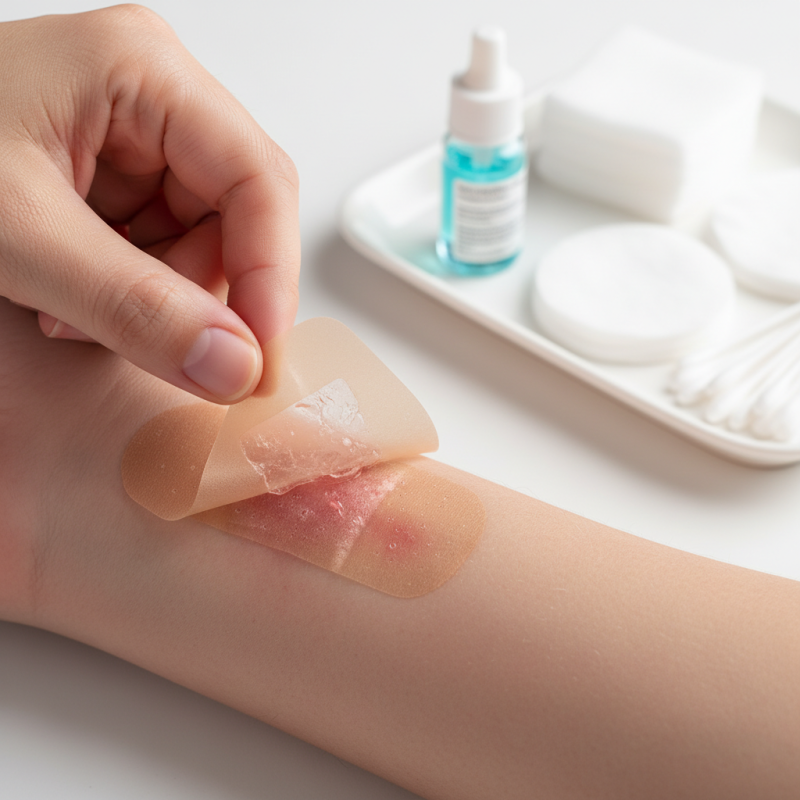
When removing a hydrocolloid bandage, take your time. Gently peel back one corner while keeping the skin taut. This reduces discomfort and minimizes damage to new skin underneath. If the bandage sticks, dampen it with water before removing. It’s normal for bandages to tear or leave some adhesive on the skin. Learning to manage these small imperfections is part of the process.

Pay attention to how the wound changes. If you see increased redness or pus, reconsider your choice of dressing. Not every wound will respond well to this type of bandage. Always listen to your body and consult a healthcare professional if uncertain. Adapting your approach as needed ensures effective healing.

Hydrocolloid Bandage Change Frequency

The chart above demonstrates the optimal frequency for changing hydrocolloid bandages based on recommended practices. As seen, the majority of changes should be made within the first three days, reflecting best practices for wound management.

How to Care for Wounds Under Hydrocolloid Bandages

Hydrocolloid bandages are popular for their ability to create a moist environment for healing. Caring for wounds under these bandages requires attention and proper technique. Start by cleaning the wound gently with mild soap and water. Ensure the area is completely dry before applying the hydrocolloid bandage. This is crucial for preventing infection and ensuring the adhesive works effectively.

Monitoring the wound is essential. Check for any signs of redness, swelling, or unusual drainage. If you notice any of these, it might mean the bandage is not doing its job. You may need to change it sooner than planned. It’s important to avoid touching the wound area when changing the bandage. Use clean gloves and gentle movements to minimize disruption.

Changing the bandage should be done according to the wound's condition. If it feels wet or has begun to peel, don't hesitate to replace it. Remember, wounds need air circulation, so give the area some time to breathe when it’s safe to do so. Although hydrocolloid bandages are effective, the healing process can be unpredictable. Always be willing to adapt your approach based on what you observe.

Common Mistakes to Avoid When Using Hydrocolloid Bandages

When using hydrocolloid bandages, common mistakes can lead to suboptimal healing. A prevalent error is applying them to wounds that are too wet. Hydrocolloid bandages are designed to absorb moisture, but excessive fluid can compromise their effectiveness. According to the Journal of Wound Care, inappropriate moisture levels can extend healing by up to 40%. Ensure the wound is neither overly dry nor excessively moist before application.

Another common mistake involves delaying bandage changes. Hydrocolloid bandages can remain effective for several days, but they should be changed if they start to lift or show signs of leakage. A study published in the International Journal of Low Extremity Wounds suggests that ignoring these signs may lead to increased infection risk. Regular monitoring of the bandage’s condition is crucial for proper wound management.

Over-reliance on bandages can also hinder healing. Some individuals may use hydrocolloids for minor abrasions, thinking they eliminate the need for other forms of care. The Wound Healing Society emphasizes the importance of assessing wound depth and type. A hydrocolloid may not provide sufficient protection for deeper wounds. Always evaluate the wound type to ensure appropriate treatment methods are used effectively.

FAQS

: How should I prepare before applying a hydrocolloid bandage?

: Start with clean hands. Wash them thoroughly and dry well. This prevents introducing bacteria.

What size hydrocolloid bandage should I use?

Choose a bandage that covers the wound completely. No edges should be exposed to avoid infection.

How can I remove a hydrocolloid bandage properly?

Gently peel back one corner while keeping the skin taut. This reduces discomfort and protects new skin.

What if the bandage sticks during removal?

If it sticks, dampen the bandage with water before removing. This can help ease the process.

How often should I check the wound under the bandage?

Monitor the wound regularly. Look for redness, swelling, or unusual drainage. These may indicate problems.

What should I do if I notice signs of infection?

If redness or pus appears, reconsider your dressing choice. Consult a healthcare professional if uncertain.

How should I clean the wound before applying a bandage?

Clean the wound gently with mild soap and water. Ensure the area is dry to help the adhesive work.

When should I change the hydrocolloid bandage?

Change the bandage if it feels wet or starts peeling. Wounds need air, so let them breathe when safe.

Is the healing process predictable with hydrocolloid bandages?

No, healing can be unpredictable. Be prepared to adapt your approach based on your observations.

What if the bandage tears or leaves adhesive on the skin?

It's normal for minor imperfections. Learning to manage these is part of the process. Reflect on how to improve.

Conclusion

Hydrocolloid bandages are specialized dressings used to promote healing in wounds by creating a moist environment. Proper care is essential for their effectiveness, and knowing when to change a hydrocolloid bandage is crucial. Signs that it's time for a change include the bandage becoming loosened, saturated, or showing signs of odor or leakage.

To use hydrocolloid bandages effectively, it is important to apply them correctly and to follow best practices when removing them to avoid skin damage. Caring for the wound beneath the bandage involves keeping it clean and monitoring for any signs of infection. Additionally, common mistakes to avoid include applying the bandage on overly moist or infected wounds. By understanding these guidelines, one can ensure optimal healing while using hydrocolloid bandages.

Charlotte

Charlotte

Charlotte is a seasoned marketing professional with a deep understanding of the company's portfolio and a passion for elevating its presence in the market. With a keen eye for detail and a commitment to excellence, she ensures that our professional blog is regularly updated with insightful articles......