Wound healing is a complex process affected by various factors. Many people ask, "Why is my wound healing so slowly?" This question highlights a critical issue that can impact recovery. According to a report from the National Institutes of Health, over 6 million people in the U.S. experience chronic wounds each year. These wounds take longer to heal and can lead to serious complications.
Several factors contribute to delayed healing. Poor nutrition, underlying health conditions, and inadequate wound care are significant contributors. The World Health Organization notes that individuals with diabetes can have healing times up to three times longer than those without. This statistic emphasizes the importance of understanding one's health status in relation to wound healing.
Moreover, psychological factors can also influence recovery rates. Stress and anxiety can slow the healing process. Studies show that individuals with high-stress levels have impaired immune responses, leading to prolonged wound healing. It is essential to reflect on both physical and emotional health when seeking answers to the question, "Why is my wound healing so slowly?" Understanding these nuances can help individuals take proactive steps toward faster recovery.
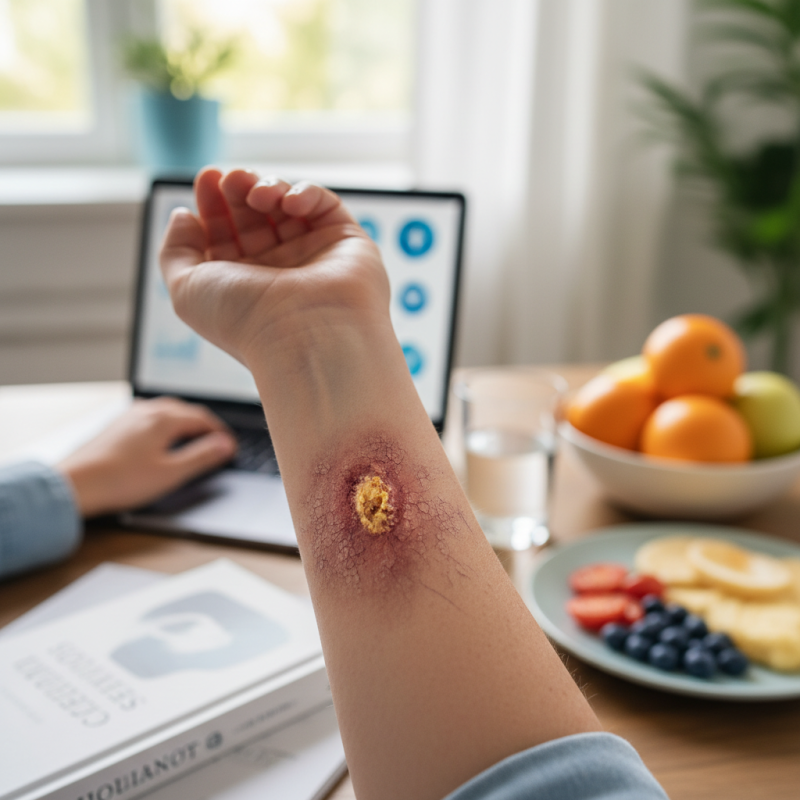
Wound healing is a complex biological process. It unfolds in four distinct phases: hemostasis, inflammation, proliferation, and remodeling. Each phase plays a critical role in recovery. According to the National Institutes of Health, healing time varies based on wound type and the individual’s health.
During hemostasis, blood clots form immediately after injury. This phase typically lasts minutes to hours. Inflammation follows, lasting 3 to 6 days. Inflammatory cells clear debris and bacteria. If this phase is prolonged, it can delay healing. For example, chronic inflammation can extend recovery time, often seen in diabetic patients.
The proliferation phase focuses on tissue formation. New blood vessels and cells form to restore damaged skin. This phase may last several weeks. Finally, remodeling can take months. It strengthens the tissue but may result in scarring. Research indicates that many factors influence these phases, including nutrition, age, and overall health. Understanding these nuances can help people reflect on their healing processes.
| Factor | Impact on Healing | Tips for Improvement |
|---|---|---|
| Age | Slower cell regeneration | Maintain a healthy diet rich in vitamins |
| Diabetes | Reduced blood flow to wounds | Monitor blood sugar levels regularly |
| Infection | Delayed healing process | Keep the wound clean and dry |
| Nutrition | Insufficient nutrients can slow healing | Consume protein, vitamin C, and zinc |
| Smoking | Decreased blood flow and oxygen | Quit smoking to improve circulation |
| Stress | Can impair immune function | Practice relaxation techniques regularly |
: Age, nutrition, chronic conditions, and stress all play important roles. Older individuals heal more slowly.
Proper nutrition, especially vitamins A, C, and minerals like zinc, is crucial for faster healing.
Insufficient vitamin C can delay healing by up to 25%. It’s essential for collagen synthesis.
Yes, conditions like diabetes can slow healing significantly—up to three times longer in some cases.
Absolutely! Dehydration can slow down recovery. Drink plenty of fluids.
Keep wounds clean and moisturized. Regular dressing changes are vital to prevent infection.
Your body needs time to heal properly. Don’t rush the recovery process; allow for adequate rest.
Elevated stress can impair the immune response. Finding ways to relax is essential for recovery.
If you notice redness, swelling, or increased pain, consult a healthcare provider immediately.
Yes, it’s easy to overlook essential nutrients in daily meals. Adjusting your diet can significantly help.
Wound healing is a complex process that occurs in several phases, but many individuals may find themselves pondering, "Why is my wound healing so slowly?" Several factors can influence the speed of recovery, including age, underlying health conditions, and external factors like infection. Understanding these common issues is crucial for fostering quicker healing.
Nutrition plays a pivotal role in recovery, as certain vitamins and minerals are essential for effective healing. Implementing effective wound care practices advised by medical experts can significantly enhance the healing process. However, if wounds show no signs of improvement or worsen over time, it is important to seek medical attention. Recognizing the right time to consult a healthcare professional can help prevent complications and promote better health outcomes.

 ProMix Medical